Yes, a panniculectomy is considered a form of plastic surgery, though it is typically performed for medical reasons rather than cosmetic purposes.
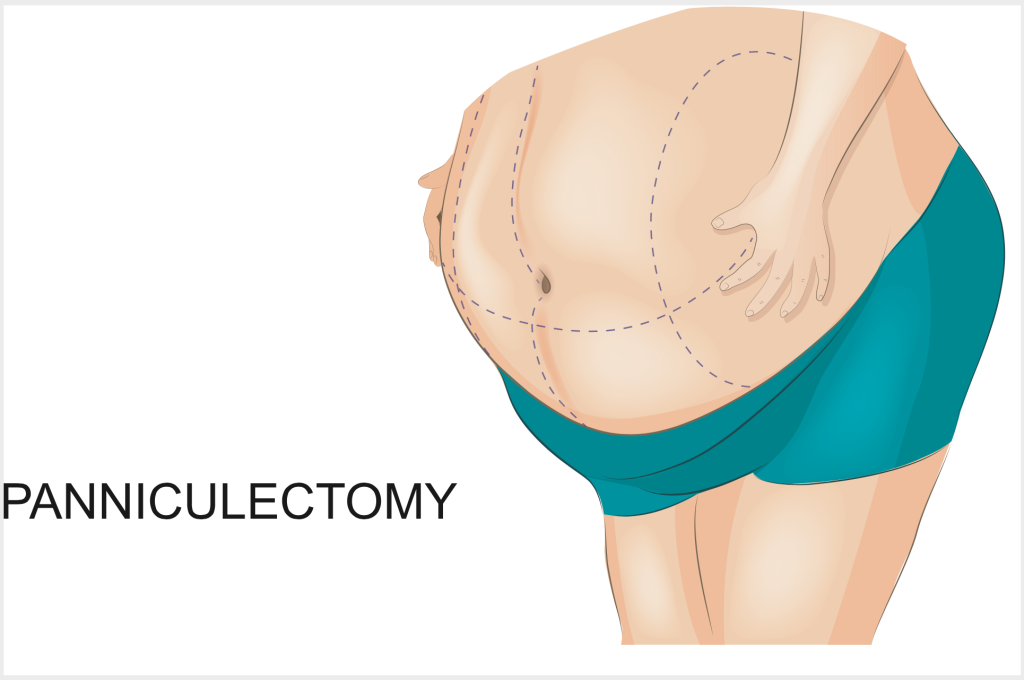
Panniculectomy surgery involves the removal of excess skin and fat from the lower abdomen, often referred to as a “pannus” or “apron.” It is often done after significant weight loss, such as following bariatric surgery, or to alleviate medical problems like:
- Chronic skin irritation or infections beneath the pannus
- Back pain or difficulty with mobility caused by the weight of the excess tissue
- Hygiene issues due to the overhanging skin
Unlike an abdominoplasty (tummy tuck), which is primarily cosmetic and includes tightening of the abdominal muscles, a panniculectomy focuses solely on removing the excess tissue for functional improvements.
Am I a good candidate for a panniculectomy?
A good candidate for a panniculectomy is someone who has excess skin and fat in the lower abdomen that causes medical or functional issues.
Here are key factors to determine candidacy:
1. Medical Need
- Skin conditions such as rashes, infections, or ulcers (e.g., intertrigo) under the pannus that don’t respond to treatment.
- Chronic pain in the back or hips caused by the weight of the excess tissue.
- Mobility limitations or difficulty performing daily activities due to the overhanging skin.
2. Stable Weight
- A candidate should be at or near their ideal weight and have maintained it for at least 6 months to a year.
- Typically, patients who have lost significant weight (e.g., after bariatric surgery) and are not planning further weight loss are ideal.
3. Good Overall Health
- No significant medical conditions that could impair healing, such as uncontrolled diabetes or severe cardiovascular issues.
- Non-smoker or willing to stop smoking before and after the surgery (as smoking interferes with healing).
4. Realistic Expectations
- Understands that a panniculectomy is not for cosmetic purposes (e.g., creating a flat stomach) but for improving function and alleviating medical problems.
5. No Plans for Future Pregnancy
- Women planning future pregnancies are usually advised to postpone the surgery, as pregnancy can stretch the abdominal area and compromise results.
If you think you might be a candidate, consulting with a board-certified plastic surgeon like Dr. DeConti is a good next step to assess your specific situation.
What do I need to do before my panniculectomy?
Preparing for a panniculectomy involves several key steps to ensure your safety, optimize healing, and achieve the best possible outcome.
Here is what you need to do before the procedure:
1. Medical Evaluation and Clearance
- Consult with your surgeon: Discuss your medical history, medications, and goals for the procedure.
- Complete necessary tests: Blood tests, imaging, or an EKG may be required to ensure you’re fit for surgery.
- Obtain clearance: If you have underlying health conditions, you may need clearance from your primary care doctor or specialists (e.g., cardiologist, endocrinologist).
2. Stabilize Your Weight
- Maintain a stable weight for at least 6 months before surgery.
- Significant weight fluctuations before or after surgery can affect results.
3. Stop Smoking
- Quit smoking at least 6-8 weeks before and after surgery. Smoking hinders wound healing and increases the risk of complications.
4. Adjust Medications
- Stop blood-thinning medications: Such as aspirin, NSAIDs (ibuprofen), and certain supplements (e.g., fish oil, vitamin E) 1-2 weeks before surgery, per your surgeon’s instructions.
- Manage chronic conditions: Ensure conditions like diabetes or hypertension are well-controlled.
5. Prepare Your Home
- Set up a recovery area with essentials like pillows, medications, and easy-to-reach items.
- Arrange for help: A friend, family member, or caregiver should assist you during the first week of recovery.
- Stock up on loose clothing and supplies like gauze, antibacterial soap, and compression garments (if prescribed).
6. Follow Pre-Surgical Instructions
- Fasting: Don’t eat or drink after the specified time (usually the night before surgery).
- Shower and cleanse: Use a special antibacterial soap to reduce infection risk.
- Avoid applying lotions, deodorants, or perfumes on the day of surgery.
7. Arrange for Time Off and Transportation
- Plan for 2-4 weeks off work (depending on your job) for recovery.
- Arrange for someone to drive you home after surgery, as you’ll be under anesthesia.
8. Mental and Emotional Preparation
- Have realistic expectations: Understand that the procedure is functional, not purely cosmetic.
- Consider stress management techniques like meditation or journaling to stay calm.
Dr. DeConti will provide a detailed, personalized checklist based on your health and specific procedure. Following his guidance closely will help ensure a smooth surgery and recovery process.
What do I need to do to recover from a panniculectomy?
Recovering after a panniculectomy involves a combination of rest, proper care of the surgical site, and following your surgeon’s specific instructions.
Here is a general guide for post-operative care:
1. Immediate Post-Operative Period
- Hospital Stay: You may stay in the hospital overnight or longer if your surgery was extensive.
- Pain Management: Expect some discomfort; your surgeon will prescribe pain medication to manage it.
- Drains: If surgical drains are placed, your surgeon will instruct you on how to empty and care for them. Drains typically stay in for 1-2 weeks.
2. Wound Care
- Dressings: Follow instructions for keeping the incision clean and dry. Change dressings as directed.
- Antibiotics: Take any prescribed antibiotics to prevent infection.
- Showering: You may be advised to wait several days before showering. Avoid soaking in tubs or swimming until cleared by your surgeon.
3. Compression Garments
- Wear the prescribed compression garment around your abdomen to reduce swelling, support the surgical site, and improve healing.
- Use it consistently for the duration recommended (often several weeks).
4. Activity Restrictions
- Rest: Get plenty of rest, especially during the first week.
- Walking: Begin light walking as soon as possible to promote circulation and prevent blood clots, but avoid strenuous activities.
- Lifting: Avoid heavy lifting, bending, or straining for at least 6-8 weeks.
- Driving: Do not drive while on prescription pain medication or until you feel comfortable moving without restrictions.
5. Monitor for Complications
- Watch for signs of infection, such as redness, swelling, warmth, fever, or unusual drainage.
- Report any signs of excessive bleeding, severe pain, or changes in skin color near the incision to your surgeon immediately.
6. Follow-Up Appointments
- Attend all follow-up appointments with your surgeon to monitor healing.
- Stitches and drains will be removed.
What are the risks and complications of a panniculectomy?
A panniculectomy is generally safe, but like any major surgery, it carries some risks and potential complications. Understanding these risks can help you make an informed decision and prepare for the procedure.
Common Risks and Complications
- Infection
- Wound infections can occur, especially in larger incisions.
- Symptoms include redness, warmth, pus, or fever.
- Bleeding (Hematoma)
- Excessive bleeding during or after surgery may require additional intervention.
- Seroma
- A buildup of fluid under the skin, which might require drainage.
- Poor Wound Healing
- The incision may take longer to heal, especially in people with diabetes, poor circulation, or smokers.
- Scarring
- While scars are unavoidable, they are usually significant and may be wide or raised.
- Blood Clots (Deep Vein Thrombosis or Pulmonary Embolism)
- Prolonged immobility increases the risk of blood clots forming in the legs or traveling to the lungs.
- Skin Necrosis
- Loss of skin or tissue near the incision may occur, requiring further treatment.
Less Common Risks
- Numbness or Changes in Skin Sensation
- Temporary or permanent numbness around the surgical area due to nerve damage.
- Asymmetry
- The abdominal area may appear uneven after surgery.
- Fat Necrosis
- Fat cells in the surgical area may die, leading to hard lumps beneath the skin.
- Recurrence of Pannus
- Significant weight gain or other factors can cause a return of the excess skin and fat.
Anesthesia-Related Risks
- Reactions to general anesthesia, such as nausea, vomiting, or in rare cases, complications like respiratory issues.
Risk Factors That May Increase Complications
- Smoking: Impairs blood flow and delays healing.
- Obesity: Increases strain on the surgical site and risk of complications.
- Chronic Conditions: Diabetes, heart disease, or autoimmune disorders can complicate recovery.
- Poor Nutrition: Can delay healing and increase infection risk.
How to Minimize Risks
- Choose a qualified surgeon: Ensure they are board-certified and experienced with panniculectomies.
- Follow pre- and post-operative instructions: Proper preparation and aftercare reduce the likelihood of complications.
- Manage health conditions: Keep chronic conditions like diabetes under control before surgery.
- Stay active during recovery: Light walking helps prevent blood clots.
How is a panniculectomy performed?
A panniculectomy is a surgical procedure to remove excess skin and fat from the lower abdomen.
Here is an overview of how a panniculectomy is performed:
1. Preparation and Anesthesia
- The procedure is performed under general anesthesia, meaning you’ll be asleep and pain-free during surgery.
- The surgeon marks the areas of excess skin and fat to guide the incisions.
2. Incision
- A horizontal incision is made across the lower abdomen, usually just above the pubic area.
- The length of the incision depends on the amount of excess skin to be removed.
- If necessary, a vertical incision may also be made, resulting in a “T” or “anchor” shape.
3. Removal of Excess Tissue
- The surgeon removes the overhanging pannus, which includes skin and fat, while preserving healthy tissue and blood supply.
- Any remaining tissue is reshaped to create a smoother contour.
4. Addressing the Belly Button
- No surgery is performed to the belly button during a panniculectomy. Thus, the belly button could be misaligned and lower after the procedure. It is better to perform a tummy tuck with the panniculectomy for a better contour an aesthetic result.
5. Drain Placement
- Surgical drains may be placed under the skin to remove excess fluid and reduce swelling during the initial healing period.
6. Closing the Incisions
- The surgeon closes the incisions with sutures, staples, or surgical adhesive.
- Skin adhesives or bandages are applied over the incision sites to protect them.
7. Post-Surgery Care
- A compression garment is applied to support the surgical area and minimize swelling.
- The patient is monitored during recovery to ensure stability before being discharged.
The surgery can take several hours, depending on the complexity and the amount of tissue removed. It’s focused on improving function and alleviating discomfort rather than achieving a cosmetic result.
FAQ
Will I have scars after my panniculectomy?
Yes, you will have scars after a panniculectomy. Scarring is an unavoidable part of the procedure since it involves a large panniculectomy incision to remove excess skin and fat. However, these scars usually fade over time and can be managed to minimize their appearance.
Scar Location
- Horizontal Scar: The primary scar will run horizontally across the lower abdomen, typically just above the pubic area, and may extend from hip to hip depending on how much tissue is removed.
- Vertical Scar (in some cases): If significant skin removal is required, there may also be a vertical scar running from the lower abdomen to the upper incision, creating an “anchor” or “T” shape.
Scar Appearance
- Initially, scars will appear red or pink and may be raised.
- Over time (6–12 months), they usually fade to a lighter color and flatten, becoming less noticeable.
Factors That Influence Scarring
- Skin Type: Genetics and skin tone can affect how scars heal and appear.
- Healing Process: Proper wound care and avoiding infection help scars heal better.
- Smoking: Smoking delays healing and may worsen scarring.
- Tension on the Scar: Excess tension on the incision during healing can make scars more prominent.
How to Minimize Scars
- Follow Post-Operative Instructions: Keep the incision clean and avoid excessive movement that could strain the area.
- Use Silicone Scar Products: Silicone sheets or gels can help flatten and lighten scars.
- Avoid Sun Exposure: Protect the scar from the sun with clothing or sunscreen to prevent it from darkening.
- Massage the Scar: Once approved by your surgeon, gentle massage can improve scar texture and reduce stiffness.
- Stay Hydrated and Nourished: Proper nutrition supports skin healing.
- Consider Treatments for Scars: If scars remain raised or noticeable, treatments like laser therapy, steroid injections, or microneedling may help.
Is a panniculectomy covered by insurance?
Insurance may cover a panniculectomy if it is deemed medically necessary rather than purely cosmetic. Each insurance company has specific criteria that must be met, so it’s essential to work closely with your surgeon and insurance provider to determine eligibility.
However, many plastic surgeons will not perform a panniculectomy near me without performing a tummy tuck because of the poor contouring, the effects on the belly button, and lack of muscle tightening.
What is the cost of a panniculectomy?
Panniculectomy cost varies based on several factors, including geographic location, surgeon’s expertise, facility fees, and whether the procedure is deemed medically necessary.
Here is a breakdown of potential costs:
Average Cost Range
- General Estimate: The procedure typically costs between $12,000 and $15,000.
Factors Influencing Cost
- Surgeon’s Fees: Highly experienced or board-certified plastic surgeons may charge more for their services.
- Facility Fees: Hospital or surgical center costs can vary, affecting the overall price.
- Anesthesia Fees: The type and duration of anesthesia contribute to the total cost.
- Geographic Location: Prices may be higher in metropolitan areas with a higher cost of living.
- Additional Expenses: Post-operative care, medications, and compression garments can add to the total expense.
Insurance Coverage
- Medical Necessity: If the panniculectomy Richmond VA is considered medically necessary—such as to alleviate chronic skin infections, rashes, or back pain caused by excess abdominal skin—insurance may cover part or all of the procedure.
- Cosmetic Reasons: If the surgery is for cosmetic purposes, insurance is less likely to provide coverage.
Financing Options
- Payment Plans: Many surgeons offer financing plans to make the procedure more affordable.
- Medical Loans: Specialized medical loans can help cover surgical costs.
What happens if you gain weight after a panniculectomy?
Gaining weight after a panniculectomy (surgical removal of excess skin and fat from the lower abdomen) can have several effects depending on the extent of weight gain, your individual body, and the quality of the surgery.
Here is what you might expect:
1. Reaccumulation of Fat in the Abdominal Area
- While the excess skin and fat are removed during the panniculectomy, the remaining fat cells in your abdominal region and other areas of your body can still expand with weight gain.
- The abdomen might regain volume, although the area where the skin was removed may not appear the same as before surgery.
2. Stretching of the Skin
- If you gain a significant amount of weight, the remaining skin can stretch again, potentially compromising the contour achieved by the surgery.
- Rapid weight gain is more likely to cause stretch marks or loose skin if the weight is later lost.
3. Impact on Surgical Scars
- Weight gain can put tension on the surgical site, possibly causing scars to widen or become more noticeable.
4. Changes in Body Proportion
- Since a panniculectomy targets the lower abdomen, weight gain in other areas (such as the upper abdomen, thighs, hips, or back) might alter your overall body proportions.
5. Risk of Complications
- Significant weight gain may increase the risk of complications such as hernias or localized fat deposits in the abdominal wall.
- It can also increase risks for future surgeries if additional contouring is desired.
6. Effect on Mobility and Comfort
- One of the main benefits of panniculectomy is improved mobility and reduced discomfort from excess skin. Gaining weight might reintroduce some discomfort or make physical activities less comfortable.
What is the recovery time for a panniculectomy?
The recovery time for a panniculectomy surgery near me can vary depending on the individual, the extent of the procedure, and overall health.
Here is a general breakdown:
1. Immediate Post-Operative Period (First 1–2 Weeks)
- Hospital Stay: Some patients may stay overnight in the hospital, but many are discharged the same day if the procedure is uncomplicated.
- Pain and Discomfort: Expect moderate pain and swelling, which can be managed with prescribed pain medication.
- Drains: Surgical drains may be placed to prevent fluid buildup and are typically removed within 1–2 weeks.
- Movement: Walking is encouraged soon after surgery to prevent blood clots, but strenuous activities should be avoided.
2. Early Recovery (Weeks 2–4)
- Swelling Reduction: Swelling will begin to decrease, though some may persist for weeks to months.
- Return to Light Activities: Many patients can resume light daily activities and non-strenuous work (if the job is sedentary) after 2–3 weeks.
- Wound Care: Incisions will still need careful care to prevent infection, and you may wear a compression garment to support the area.
3. Mid-Recovery (Weeks 4–6)
- Improved Mobility: Most patients notice a significant improvement in mobility and comfort by this stage.
- Return to Work: Many can return to work and more normal routines by 4–6 weeks, provided no heavy lifting or strenuous activity is involved.
4. Full Recovery (6 Weeks–6 Months)
- Exercise and Strenuous Activities: Most patients can return to regular exercise and strenuous physical activities after 6–8 weeks, depending on their surgeon’s advice.
- Final Results: Swelling continues to subside, and the full results of the surgery become more apparent over the next several months.
- Scars: Scars will gradually fade and soften over 6–12 months with proper care.