What is a rhinoplasty?
A rhinoplasty, commonly referred to as a “nose job,” is a surgical procedure that alters the shape of the nose. It can be performed for cosmetic reasons, such as improving the appearance of the nose, or for medical reasons, such as correcting breathing issues related to the structure of the nose or repairing deformities from injury or birth defects. Nose surgery can involve modifying the bone, cartilage, or skin of the nose, depending on the desired outcome.

What are the benefits of a rhinoplasty?
Rhinoplasty, rhinoplastia, or nose reshaping surgery, offers several potential benefits, both aesthetic and functional, depending on the individual’s needs and goals. Here are the main benefits of rhinoplasty:
Aesthetic Benefits:
Improved Nasal Proportion and Symmetry: Rhinoplasty can enhance the overall balance and symmetry of the nose in relation to the rest of the face.
Correction of Nasal Humps or Bumps: Reduction of prominent dorsal humps or bumps on the bridge of the nose can create a smoother profile.
Nasal Tip Refinement: Reshaping of the nasal tip to achieve a more defined, refined, or rotated appearance.
Narrowing or Widening of the Nose: Adjusting the width of the nose to better harmonize with facial features.
Correction of Nasal Asymmetry: Addressing asymmetrical features of the nose for a more balanced appearance.
Correction of Congenital or Acquired Deformities: Addressing nasal deformities present from birth (congenital) or due to trauma or injury (acquired).
Functional Benefits:
Improved Nasal Breathing: Rhinoplasty can correct structural issues that contribute to nasal obstruction or difficulty breathing, such as a deviated septum or collapsed nasal valves.
Relief from Chronic Sinus Issues: Addressing nasal structural problems can improve sinus drainage and reduce the frequency of sinus infections.
Enhanced Quality of Life: Improvements in nasal appearance and function can lead to increased self-confidence and overall well-being.
Psychological Benefits:
Increased Self-Confidence: Many patients experience improved self-esteem and confidence following rhinoplasty, especially if they were previously self-conscious about their nasal appearance.
Reduced Psychological Distress: Correcting aesthetic concerns can alleviate psychological distress associated with dissatisfaction with nasal appearance.
Considerations:
Personalized Results: The benefits of rhinoplasty vary from person to person, depending on individual anatomy, goals, and the expertise of the surgeon.
Realistic Expectations: It’s important to have realistic expectations about what rhinoplasty can achieve. A thorough consultation with a qualified plastic surgeon or ENT specialist will help determine if rhinoplasty is the right option for your goals and expectations.
Overall, rhinoplasty is a versatile procedure that can provide significant aesthetic and functional improvements to the nose, enhancing both appearance and quality of life for many patients.
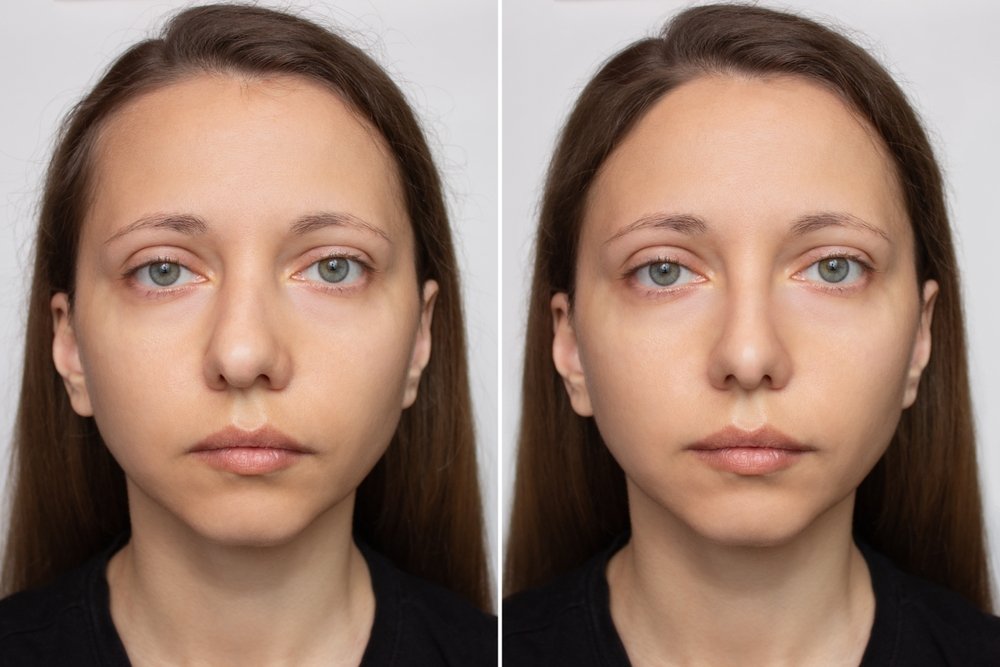
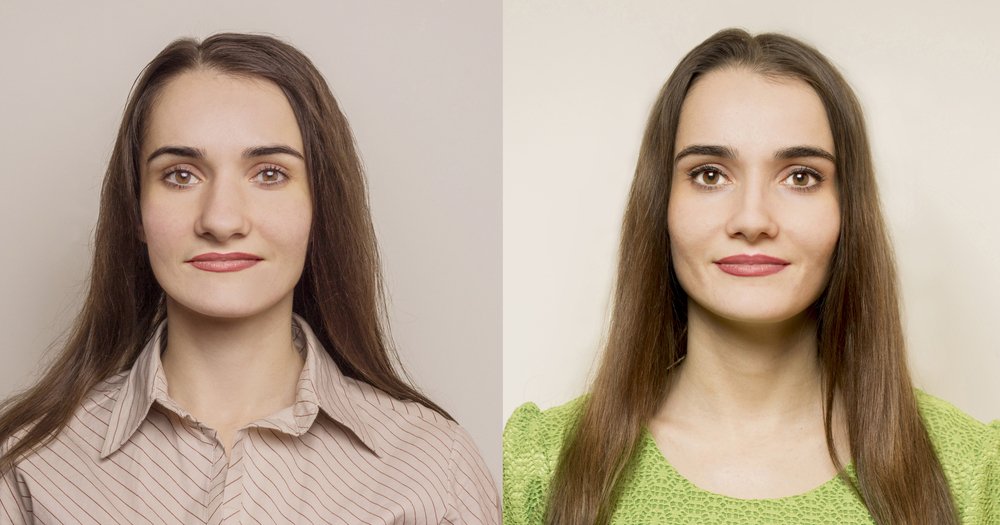
Am I a good candidate for a rhinoplasty?
The ideal candidate for rhinoplasty is someone who has realistic expectations about the procedure and desires improvement in the appearance or function of their nose.
Here are some considerations that define an ideal candidate for rhinoplasty:
Aesthetic Considerations:
Nasal Concerns: Individuals who are bothered by the size, shape, or symmetry of their nose.
Specific Goals: Clear and realistic goals for what they wish to achieve through rhinoplasty, such as reducing a dorsal hump, refining the nasal tip, or correcting asymmetry.
Healthy Self-Esteem: A stable self-image and realistic expectations about the outcome of the surgery.
Functional Considerations:
Breathing Issues: Patients experiencing nasal obstruction due to a deviated septum, enlarged turbinates, or other structural problems that affect breathing.
Chronic Sinus Problems: Those who suffer from chronic sinusitis or sinus infections related to nasal structural issues.
General Health and Age:
Good Overall Health: Candidates should be in good general health, without significant medical conditions that could interfere with surgery or healing.
Non-Smokers: Non-smokers or those willing to quit smoking for a period before and after surgery, as smoking can impair healing and increase risks.
Adults with Fully Developed Facial Structure: For aesthetic rhinoplasty, patients should ideally be in their late teens or older, when facial growth is complete. However, exceptions can be made in cases of functional issues or significant deformities.
Psychological Readiness:
Motivation: A genuine desire to undergo rhinoplasty for personal reasons, rather than pressure from others or unrealistic expectations.
Understanding Risks and Recovery: Willingness to adhere to pre-operative and post-operative instructions provided by the surgeon to ensure optimal healing and results.
Ultimately, the determination of whether someone is an ideal candidate for rhinoplasty is made during a consultation with a qualified plastic surgeon. During this consultation, Dr. DeConti will evaluate your nasal anatomy, discuss goals and expectations, and recommend the most appropriate surgical plan.
What is a closed rhinoplasty?
A closed rhinoplasty is a type of nose surgery where all the incisions are made inside the nostrils, leaving no visible external scars. This approach is often preferred for patients requiring less extensive modifications or for those who want to avoid any visible incisions.
Here are the details of the procedure:
Indications for Closed Rhinoplasty
Closed rhinoplasty is often chosen for:
- Minor to Moderate Nasal Corrections: Less extensive reshaping or adjustments of the nasal structure.
- Patients Concerned About Scarring: Avoiding any visible external incisions.
- Primary Rhinoplasty: First-time rhinoplasty procedures that do not require extensive structural changes.
The Closed Rhinoplasty Procedure
- Anesthesia: The procedure can be performed under local anesthesia with sedation or general anesthesia.
- Incisions: The surgeon makes all the necessary incisions inside the nostrils.
- Accessing the Nasal Structures: Through these incisions, the surgeon can access the bone, cartilage, and other nasal structures.
- Reshaping the Nose: The surgeon reshapes the nasal bones and cartilage, removes or adds tissue as needed, and makes adjustments to achieve the desired shape.
- Closing the Incisions: The internal incisions are closed with dissolvable sutures.
- Nasal Splints: Splints or packing may be placed inside the nose to support the new shape and control swelling.
Recovery from Closed Rhinoplasty
- Initial Recovery: Patients may experience swelling, bruising, and discomfort for the first week. Pain is typically managed with prescribed medications.
- Swelling and Bruising: These symptoms peak within the first few days and gradually subside over the next few weeks. Bruising around the eyes is common but less severe than in open rhinoplasty.
- Nasal Splints: Splints or packing, if used, are removed within the first week.
- Follow-Up Visits: Regular follow-up visits with the surgeon are important to monitor healing and ensure the best outcome.
- Activity Restrictions: Patients should avoid strenuous activities, heavy lifting, and situations that might risk trauma to the nose for several weeks.
- Final Results: While most of the swelling resolves within a few weeks, the final results may take up to a year to become fully apparent as the nose continues to refine and settle into its new shape.
Risks and Complications
- Bleeding and Infection: As with any surgery, there are risks of bleeding and infection.
- Asymmetry or Dissatisfaction with Results: Some patients may require revision surgery to achieve the desired outcome.
- Nasal Function Issues: Rarely, changes in nasal structure can affect breathing or nasal function.
- Limited Access: The closed approach provides less visibility and access to the nasal structures compared to open rhinoplasty, which may limit the extent of modifications that can be made.
Benefits of Closed Rhinoplasty
- No External Scarring: All incisions are made inside the nostrils, leaving no visible scars.
- Shorter Operative Time: The procedure may be shorter compared to open rhinoplasty.
- Reduced Swelling and Bruising: Some patients experience less swelling and bruising compared to open rhinoplasty.
- Quicker Recovery: Recovery time may be slightly shorter due to the less invasive nature of the procedure.
Closed nasal rhinoplasty surgery is a popular and effective technique for achieving nasal corrections with minimal visible scarring. Consulting with Dr. DeConti a qualified and experienced rhinoplasty surgeon can help determine if this approach is the right choice for your specific needs and goals.
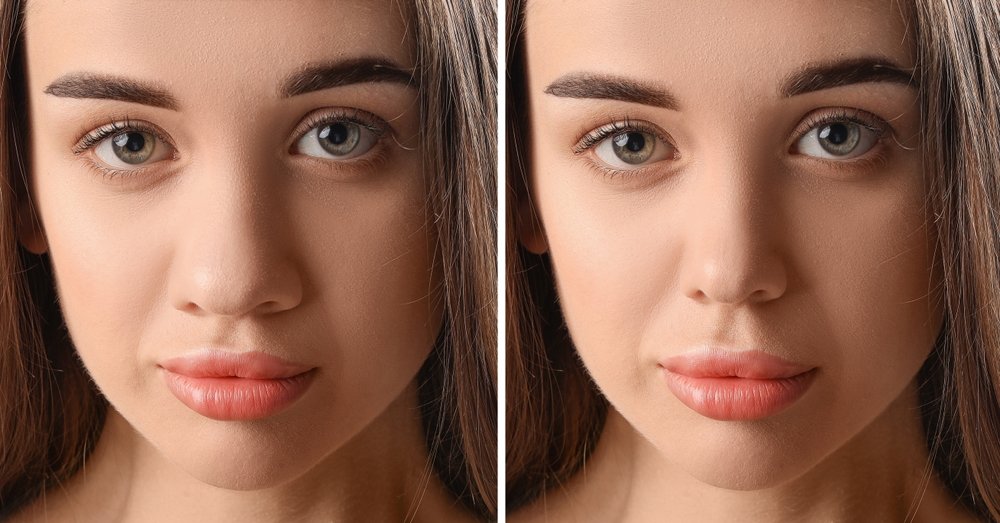
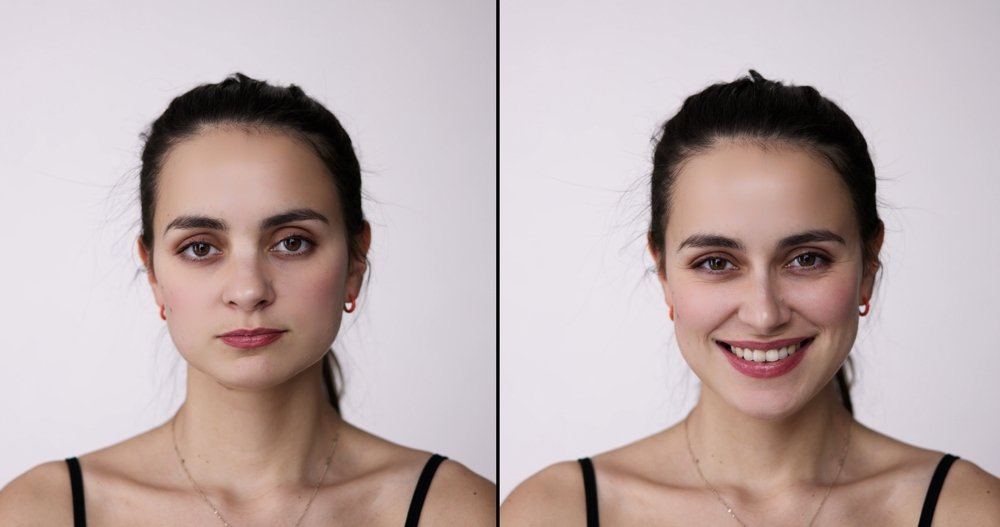
What is an open rhinoplasty?
An open rhinoplasty is a type of operation of nose where the surgeon makes an incision on the outside of the nose, typically across the columella, the strip of tissue that separates the nostrils. This approach provides the surgeon with greater visibility and access to the nasal structures, allowing for more precise and extensive modifications.
Here are the details of the procedure:
Indications for Open Rhinoplasty
Open rhinoplasty is often chosen for more complex cases, such as:
- Significant Structural Changes: Major reshaping or reconstruction of the nasal framework or nose cartilage.
- Revision Rhinoplasty: Correcting issues from previous nasal surgeries.
- Complex Nasal Deformities: Addressing congenital deformities, trauma, or severe deviations or arched nose.
The Open Rhinoplasty Procedure
- Anesthesia: The procedure is typically performed under general anesthesia.
- Incisions: The surgeon makes a small incision on the columella and additional incisions inside the nostrils (intra-nasal incisions).
- Lifting the Skin: The skin is gently lifted off the underlying nasal structures, providing a clear view and access to the cartilage and bone.
- Reshaping the Nose: The surgeon can then reshape the bone and cartilage, add grafts, and make other modifications as needed.
- Closing the Incisions: The incisions are closed with sutures. The external incision on the columella usually heals well and becomes almost invisible over time.
- Nasal Splints: Splints or packing may be placed inside the nose to support the new shape and control swelling.
Recovery from Open Rhinoplasty
- Initial Recovery: Patients may experience swelling, bruising, and discomfort for the first week. Pain is typically managed with prescribed medications.
- Swelling and Bruising: These symptoms peak within the first few days and gradually subside over the next few weeks. Bruising around the eyes is common.
- Stitches Removal: External stitches on the columella are usually removed within a week.
- Nasal Splints: Splints or packing, if used, are removed within the first week.
- Follow-Up Visits: Regular follow-up visits with the surgeon are important to monitor healing and ensure the best outcome.
- Activity Restrictions: Patients should avoid strenuous activities, heavy lifting, and situations that might risk trauma to the nose for several weeks.
- Final Results: While most of the swelling resolves within a few weeks, the final results may take up to a year to become fully apparent as the nose continues to refine and settle into its new shape.
Risks and Complications
- Bleeding and Infection: As with any surgery, there are risks of bleeding and infection.
- Scarring: The columellar incision may leave a small scar, but it typically fades and becomes inconspicuous over time.
- Asymmetry or Dissatisfaction with Results: Some patients may require revision surgery to achieve the desired outcome.
- Nasal Function Issues: Rarely, changes in nasal structure can affect breathing or nasal function.
Benefits of Open Rhinoplasty
- Enhanced Visibility and Precision: The surgeon has a direct view of the nasal structures, allowing for more accurate and detailed modifications.
- Versatility: This approach is suitable for a wide range of nasal issues, including complex and extensive corrections.
- Effective Results: Open rhinoplasty often leads to more predictable and satisfying outcomes, especially in complicated cases.
Open rhinoplasty is a widely used and effective technique for achieving significant and precise changes to the nose’s structure and appearance. Consulting with a qualified and experienced best plastic surgeon like Dr. DeConti can help determine if this approach is the right choice for your specific needs and goals.
What is a deviated septum?
A deviated septum occurs when the nasal septum, the cartilage and bone that divides the nasal cavity into two nostrils, is displaced or off-center. This condition can cause one nasal passage to be smaller than the other.
Key points about a deviated septum are:
Causes
- Congenital: Some people are born with a deviated septum.
- Injury: Trauma to the nose, such as a sports injury or accident, can cause the septum to deviate.
- Normal Growth: Sometimes, the septum may deviate during growth and development.
Symptoms
- Breathing Difficulties: Difficulty breathing through one or both nostrils.
- Nasal Congestion: Frequent nasal congestion, sometimes only on one side.
- Nosebleeds: Recurrent nosebleeds due to the increased dryness of the nasal passage.
- Sinus Infections: Increased frequency of sinus infections.
- Snoring or Sleep Apnea: Issues with snoring or sleep apnea due to obstructed airflow.
- Facial Pain: Some people experience facial pain, especially on one side.
Diagnosis
A deviated septum is typically diagnosed through a physical examination by a healthcare provider, who may use a nasal speculum and a bright light to inspect the inside of the nose. In some cases, imaging studies like a CT scan may be used.
Treatment
- Medications: Decongestants, antihistamines, and nasal steroid sprays can help manage symptoms but do not correct the deviation.
- Surgery (Septoplasty): The definitive treatment for a deviated septum is septoplasty, a surgical procedure to straighten the septum. This can improve airflow and alleviate symptoms.
When to Seek Treatment
Treatment is usually sought when the deviated septum causes significant symptoms affecting quality of life, such as difficulty breathing, recurrent sinus infections, or chronic nasal congestion.
What is a septoplasty?
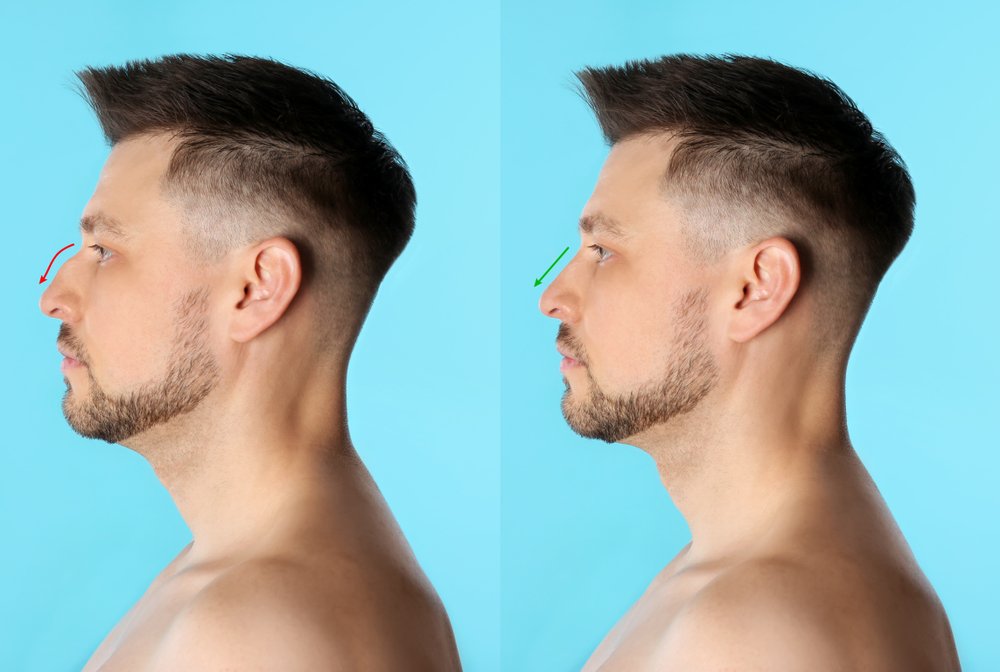
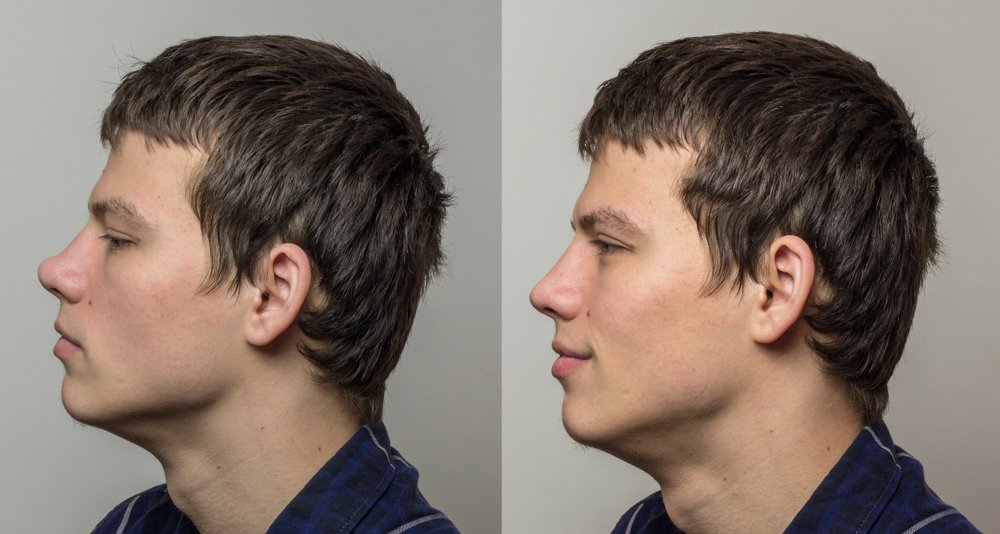
A septoplasty is a surgical procedure performed to correct a deviated septum. The septum is the cartilage and bone that divides the nasal cavity into two nostrils. When the septum is deviated or off-center, it can obstruct airflow and cause breathing difficulties, recurrent sinus infections, nosebleeds, and other problems. Septoplasty aims to straighten the septum, improving airflow and resolving these symptoms.
Indications for Septoplasty
- Difficulty Breathing: Chronic nasal obstruction or difficulty breathing through one or both nostrils.
- Recurrent Sinus Infections: Frequent sinusitis due to impaired drainage from a deviated septum.
- Nosebleeds: Recurrent nosebleeds due to irritation and dryness in the nasal passages.
- Snoring and Sleep Apnea: Issues with snoring or obstructive sleep apnea caused by nasal obstruction.
- Facial Pain: Chronic facial pain or headaches associated with a deviated septum.
The Septoplasty Procedure
- Anesthesia: The procedure can be performed under local or general anesthesia, depending on the complexity of the surgery and patient preference.
- Incision: The surgeon makes an incision inside the nasal cavity to access the septum, ensuring there are no visible scars.
- Reshaping the Septum: The surgeon removes or repositions the deviated portions of the septum. This may involve trimming, repositioning, or replacing parts of the cartilage and bone.
- Closing the Incision: The incision inside the nose is closed with sutures. Nasal packing or splints may be placed to support the septum during healing and to control bleeding.
Recovery from Septoplasty
- Immediate Post-Operative Period: Patients usually experience swelling, mild pain, and congestion. These symptoms are managed with prescribed pain medications and decongestants.
- Nasal Packing: If nasal packing or splints are used, they are typically removed within a few days to a week after surgery.
- Follow-Up Visits: Regular follow-up visits with the surgeon are necessary to monitor healing and address any complications.
- Activity Restrictions: Patients should avoid strenuous activities, heavy lifting, and contact sports for several weeks. Blowing the nose should also be avoided to prevent damage to the healing septum.
- Full Recovery: Most patients can return to normal activities within a week or two, but full recovery, including complete resolution of swelling, may take several months.
Risks and Complications
- Bleeding and Infection: Common surgical risks that are usually manageable.
- Adverse Reaction to Anesthesia: Rare but possible with any surgical procedure.
- Persistent Symptoms: In some cases, symptoms may persist or recur, requiring additional treatment or revision surgery.
- Changes in Nose Shape: Rarely, septoplasty may result in changes to the shape of the nose.
Benefits of Septoplasty
- Improved Nasal Breathing: Significant improvement in airflow through the nasal passages.
- Reduced Sinus Infections: Decreased frequency of sinus infections due to better drainage.
- Relief from Symptoms: Reduction in nosebleeds, facial pain, and headaches.
- Better Sleep Quality: Improvement in sleep quality for patients with snoring or sleep apnea related to nasal obstruction.
Septoplasty is a common and effective procedure with a high success rate in alleviating the symptoms of a deviated septum. If you experience chronic nasal obstruction or other related symptoms, Dr. DeConti can help determine if septoplasty is the right option for you.
What is a revision rhinoplasty?
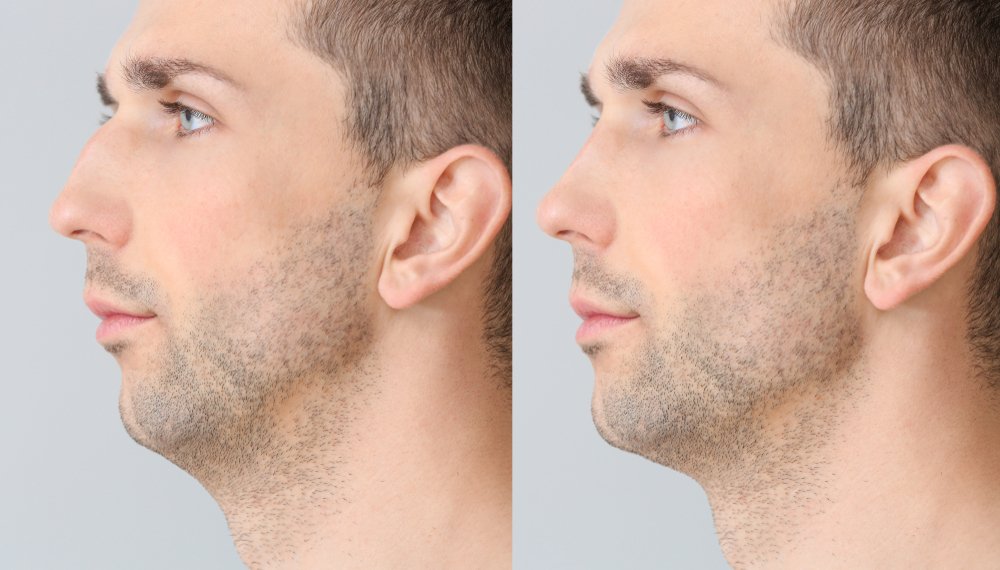
A revision rhinoplasty, also known as secondary rhinoplasty, is a surgical procedure performed to correct or revise the results of a previous rhinoplasty surgery. It is typically more complex than primary (first-time) rhinoplasty due to scar tissue, altered nasal anatomy, and potential structural changes from the initial surgery.
The key aspects of revision rhinoplasty are:
Reasons for Revision Rhinoplasty:
Unsatisfactory Results: Some patients may be dissatisfied with the aesthetic outcome of their initial rhinoplasty, such as asymmetry, irregularities, or a shape that does not meet their expectations.
Functional Issues: Problems with nasal breathing or nasal obstruction that persist or develop after the initial surgery, which may be due to inadequate structural support, collapse of nasal valves, or other issues.
Trauma or Injury: Accidental trauma or injury to the nose after the initial surgery can necessitate revision to restore nasal function and appearance.
Natural Healing: Over time, the nasal tissues may heal or change in ways that require further adjustments to achieve the desired results.
Considerations for Revision Rhinoplasty:
Scar Tissue: Scar tissue from the previous surgery can make the revision procedure more challenging, requiring careful dissection and management to achieve optimal results.
Structural Integrity: Assessing and restoring the structural integrity of the nose, including cartilage support and nasal framework, is crucial for both aesthetic and functional outcomes.
Patient Expectations: Managing expectations is essential, as revision rhinoplasty may have limitations in achieving perfect symmetry or complete resolution of all concerns.
Procedure:
Preparation: Detailed consultation and evaluation of the nasal anatomy, previous surgical notes, and imaging studies (like CT scans) to plan the corrective approach.
Surgical Technique: Depending on the specific issues, techniques may include cartilage grafting, reshaping of existing cartilage and bone, or reconstruction of nasal structures.
Recovery: Recovery from revision rhinoplasty can be similar to or slightly longer than primary rhinoplasty, with careful post-operative monitoring to assess healing and manage any complications.
Choosing a Surgeon:
Expertise: Due to the complexity of revision rhinoplasty, selecting a surgeon with extensive experience, like Dr. DeConti in both primary and revision rhinoplasty is critical.
Communication: Open communication with your surgeon about your concerns, goals, and expectations will help ensure a thorough evaluation and realistic outcomes.
Conclusion:
Revision rhinoplasty near me is a specialized procedure aimed at correcting or improving the results of a previous nasal surgery. It requires careful planning, expertise, and realistic expectations to achieve the desired aesthetic and functional outcomes. Consulting with a qualified plastic surgeon or ENT specialist who has experience in revision rhinoplasty is essential for determining if this procedure is appropriate for you and for achieving the best possible results.
What is an ethnic rhinoplasty?
Ethnic rhinoplasty is a specialized type of rhinoplasty (nose surgery) designed to address the unique aesthetic and structural characteristics of individuals from various ethnic backgrounds. The goal of ethnic rhinoplasty or Asian rhinoplasty is to enhance the appearance and function of the nose while preserving the distinctive features that define a person’s ethnic identity.
The key aspects of ethnic rhinoplasty:
Goals of Ethnic Rhinoplasty:
- Enhancing Appearance: Improve the overall aesthetic appearance of the nose, addressing specific concerns such as nasal width, shape, or projection.
- Preserving Ethnic Identity: Maintain and respect the natural ethnic characteristics of the nose, avoiding over-correction that could result in an unnatural or overly westernized appearance.
- Improving Function: Address any functional issues, such as breathing difficulties, that may be related to the nasal structure.
Common Considerations in Ethnic Rhinoplasty:
Nasal Bridge and Dorsum:
- African and Afro-Caribbean: Patients may seek to narrow and elevate a flat or low nasal bridge while maintaining harmony with other facial features.
- Asian Rhinoplasty: Patients may desire a higher and more defined nasal bridge without compromising the natural soft tissue and contour of the nose.
- Middle Eastern and Mediterranean: Patients often seek to refine a prominent dorsal hump while preserving a strong, defined nasal profile.
Nasal Tip:
- Bulbous or Wide Tip: Ethnic rhinoplasty can refine and reshape a bulbous or wide nasal tip to create a more defined and aesthetically pleasing appearance.
- Drooping Tip: Adjustments can be made to address a drooping nasal tip, achieving better balance with other facial features.
Nostril Shape and Size:
- Wide or Flared Nostrils: Narrowing and reshaping wide or flared nostrils to create a more balanced and proportionate appearance.
Skin Thickness:
- Ethnic rhinoplasty often involves working with thicker nasal skin, which requires specialized techniques to achieve the desired outcome while ensuring smooth contouring and definition.
Techniques and Approaches:
Open vs. Closed Rhinoplasty:
- Both open and closed rhinoplasty techniques can be used in ethnic rhinoplasty, depending on the specific goals and anatomical considerations. Open rhinoplasty provides better visibility for complex adjustments, while closed rhinoplasty offers a more conservative approach with internal incisions.
Cartilage Grafting:
- Cartilage grafts may be used to provide structural support, enhance the nasal bridge, or refine the nasal tip. Common sources of grafts include the septum, ear (auricular cartilage), or rib.
Attention to Detail:
- Ethnic rhinoplasty requires meticulous attention to detail and a deep understanding of the unique anatomical characteristics of different ethnic groups to achieve natural and harmonious results.
Selecting a Surgeon for Ethnic Rhinoplasty:
- Experience and Expertise: Choose a board-certified plastic surgeon with extensive experience in ethnic rhinoplasty.
- Cultural Sensitivity: Ensure the surgeon understands and respects the importance of preserving ethnic identity while achieving aesthetic goals.
- Consultation: During the consultation, discuss your specific concerns, desired outcomes, and any functional issues. Review before-and-after photos of previous patients with similar ethnic backgrounds.
Conclusion:
Ethnic rhinoplasty is a nuanced and personalized approach to nasal surgery that aims to enhance the appearance and function of the nose while preserving the unique characteristics that define a person’s ethnic identity. By choosing an experienced and culturally sensitive surgeon, you can achieve natural-looking results that complement your overall facial harmony and respect your ethnic heritage.
What do i need to do before my rhinoplasty procedure?
Preparing for rhinoplasty involves several steps to ensure a smooth surgery and recovery process. Here’s a general guideline on what you may need to do before your rhinoplasty procedure:
Consultation and Planning:
Choose a Qualified Surgeon: Research and select a board-certified plastic surgeon or ENT specialist with experience in rhinoplasty.
Discuss Goals and Expectations: Clearly communicate your goals for the surgery during your consultation. Ensure you and your surgeon have a shared understanding of the desired outcome.
Medical Evaluation:
Health Assessment: Undergo a comprehensive medical evaluation to assess your overall health and suitability for surgery. This may include blood tests, imaging studies (such as CT scans), and a review of your medical history.
Medications: Disclose all medications, supplements, and herbal remedies you are currently taking to your surgeon. Certain medications, such as blood thinners, may need to be adjusted or discontinued before surgery.
Lifestyle Adjustments:
Quit Smoking: If you smoke, quitting at least several weeks before surgery can improve healing and reduce the risk of complications. Smoking can impair circulation and delay healing.
Alcohol and Drug Use: Avoid alcohol and recreational drugs in the days leading up to surgery, as they can interfere with anesthesia and recovery.
Preparing for Surgery:
Follow Pre-operative Instructions: Your surgeon will provide specific instructions on eating and drinking before surgery, as well as any medications to take or avoid on the day of surgery.
Arrange Transportation: Arrange for someone to drive you home after surgery and stay with you during the initial recovery period, if necessary.
Practical Considerations:
Prepare Recovery Space: Set up a comfortable recovery area at home with plenty of pillows, ice packs, and entertainment to keep you occupied during the initial recovery phase.
Post-operative Supplies: Purchase any supplies recommended by your surgeon, such as saline nasal spray, gauze, and medications for pain management and wound care.
Emotional Preparation:
Manage Expectations: Understand that swelling and bruising are normal after rhinoplasty and that final results may take months to fully manifest. Be patient with the healing process.
Address Anxiety: If you feel anxious about the surgery, discuss your concerns with your surgeon or consider talking to a counselor for support.
Final Preparations:
Review Consent Forms: Ensure you understand and sign all necessary consent forms for the surgery.
Rest and Relax: Get plenty of rest in the days leading up to surgery to optimize your health and well-being.
By following these guidelines and Dr. DeConti’s specific instructions, you can help ensure a successful rhinoplasty procedure and a smoother recovery experience.
What should i expect on the day of my rhinoplasty?
On the day of your rhinoplasty surgery, it’s normal to feel a mix of anticipation and nerves.
Here’s what you can generally expect on the day of your procedure:
Before Surgery:
Arrival: Arrive at the surgical facility at the designated time. You may need to check in and complete any remaining paperwork.
Preparation: You’ll be taken to a pre-operative area where you’ll change into a surgical gown. Nurses or medical staff will review your medical history, check vital signs, and start an IV line for fluids and medications.
Meeting with Surgeon: Your surgeon will visit you to review the surgical plan, answer any last-minute questions, and may make markings on your nose for guidance during surgery.
During Surgery:
Anesthesia: Once you are ready, you’ll be taken to the operating room. Anesthesia will be administered—typically general anesthesia for rhinoplasty, though in some cases local anesthesia with sedation may be used.
Surgery: The rhinoplasty procedure will begin according to the surgical plan discussed with your surgeon. If it’s an open rhinoplasty, a small incision will be made across the columella (the strip of tissue between your nostrils). For closed rhinoplasty, all incisions are inside your nostrils.
After Surgery:
Recovery Room: After surgery, you’ll be moved to a recovery area where nurses will monitor your vital signs as you wake up from anesthesia. You may feel groggy initially.
Pain Management: You’ll receive medications to manage any pain or discomfort. It’s normal to experience some level of discomfort, swelling, and possibly nausea in the immediate post-operative period.
Observation: You’ll be observed for a few hours to ensure there are no immediate complications and that you’re stable enough to go home or to an overnight care facility.
Going Home:
Discharge Instructions: Once cleared by your surgeon, you’ll receive detailed discharge instructions. This will include information on caring for your nose, medications to take, and potential signs of complications to watch for.
Transportation: You must have someone accompany you to drive you home after surgery. You should not drive yourself due to the effects of anesthesia and pain medications.
Recovery Period:
First Few Days: Expect to rest and take it easy at home. Use cold compresses to reduce swelling and follow your surgeon’s instructions regarding head elevation and activity limitations.
Follow-up Appointments: You’ll have follow-up appointments scheduled to monitor your healing progress and remove any packing or splints from your nose if necessary.
Post-operative Care:
Medications: Take prescribed medications as directed, including pain relievers and antibiotics if prescribed.
Diet: Stick to light, easily digestible foods and plenty of fluids initially. Avoid hot liquids and foods that may irritate your throat or nose.
Avoiding Activities: Avoid strenuous activities, heavy lifting, and bending over during the initial recovery period to minimize swelling and strain on your nose.
Expectations:
Swelling and Bruising: Swelling and bruising around the eyes and nose are normal after rhinoplasty and will gradually improve over the following weeks.
Patience: Remember that final results can take several months to fully manifest as swelling subsides and your nose settles into its new shape.
What should i expect after my rhinoplasty?
Your rhinoplasty recovery time will involve several stages as your body heals and adjusts to the changes made during surgery.
Here’s what you can expect in the days and weeks following your rhinoplasty procedure:
Immediately After Nasal Surgery (First Few Days):
Swelling and Bruising: Swelling and bruising around the nose and eyes are common. Cold compresses can help reduce swelling, and your surgeon may recommend specific techniques to minimize bruising.
Pain and Discomfort: You may experience some pain or discomfort, which can be managed with prescribed pain medications. It’s important to take medications as directed by your surgeon.
Nasal Packing or Splints: Depending on your surgeon’s approach, you may have internal nasal packing or external splints. These are typically removed within the first week after surgery.
Restricted Activities: Avoid strenuous activities, bending over, and lifting heavy objects to prevent strain on your nose and minimize swelling.
Nasal Drainage: Mild nasal drainage, including blood-tinged mucus, is normal in the first few days. Your surgeon will provide instructions on how to manage nasal care and cleaning.
First Week:
Follow-up Appointment: You’ll likely have a follow-up appointment within the first week to monitor your healing progress. Your surgeon may remove any nasal packing or splints during this visit.
Swelling and Bruising: Swelling and bruising may peak during the first few days of nose job recovery time and gradually improve over the next week. Elevating your head while resting can help reduce swelling.
Diet and Nutrition: Stick to a light and nutritious diet to support healing. Avoid foods that require excessive chewing or could irritate your nose.
Stitches: If external stitches were used (typically in open rhinoplasty), these may be removed during your first follow-up appointment.
First Few Weeks:
Reducing Activity Restrictions: While you’ll still need to avoid strenuous activities, you can gradually increase your daily activities as tolerated. Listen to your body and avoid activities that could risk injury to your nose.
Continued Swelling Reduction: Swelling will continue to subside, and your nose will begin to take on its final shape. However, residual swelling can persist for several months.
Careful Sun Protection: Protect your nose from sun exposure and use sunscreen as directed by your surgeon to prevent pigmentation changes.
Patience with Results: Final results of rhinoplasty can take up to a year or more to fully manifest as swelling resolves and tissues settle. Be patient during this process.
Long-Term:
Nasal Sensation: It’s normal to experience temporary numbness or altered sensation around the nose. Sensation typically returns gradually over several months.
Follow-up Visits: Attend all scheduled follow-up visits with your surgeon to monitor your progress and address any concerns.
Scar Care (if applicable): If you have external incisions, follow your surgeon’s instructions for scar care to promote optimal healing.
Signs of Complications:
- Fever, excessive bleeding, severe pain, or sudden changes in nasal appearance should be reported to your surgeon immediately. These could indicate complications that need prompt attention.
Emotional Support:
- Mental Health: It’s normal to experience emotional ups and downs during recovery. If you have concerns or feel overwhelmed, reach out to your surgeon or a supportive friend or family member for reassurance.
How long will my rhinoplasty take?
The duration of a rhinoplasty procedure can vary depending on several factors, including the complexity of the surgery, the surgical technique used (open vs. closed rhinoplasty), and the individual patient’s anatomy.
Here are some general guidelines regarding the time frame for rhinoplasty:
Open vs. Closed Rhinoplasty:
- Open Rhinoplasty: Typically takes longer than closed rhinoplasty due to the additional steps involved in accessing and reshaping the nasal structures through a small incision on the columella (the strip of tissue between the nostrils).
- Closed Rhinoplasty: Involves internal incisions only, which can result in a shorter surgical time compared to open rhinoplasty.
Complexity of the Procedure:
- The extent of changes needed to achieve the desired nasal appearance or function can influence the duration of surgery. For example, procedures involving significant nasal reshaping, grafting, or revision work may take longer than simpler procedures.
Surgeon’s Expertise:
- The experience and skill of your surgeon can also impact the duration of the procedure. A surgeon who specializes in rhinoplasty and has performed numerous procedures may be able to perform the surgery more efficiently.
General Time Frame:
Typical Range: On average, nose surgery can take anywhere from 1 to 4 hours. This time frame includes preparation, anesthesia administration, the actual surgical procedure, and initial recovery before being moved to a post-anesthesia recovery area.
Factors Affecting Duration: Factors such as whether the procedure is combined with other surgeries (e.g., septoplasty), the need for cartilage grafting, and meticulous attention to detail during nasal reshaping all contribute to the overall time spent in surgery.
How long does it take to recovery from a rhinoplasty?
Rhinoplasty recovery typically occurs in several stages and can vary depending on the individual and the extent of the surgery.
Here is a general timeline of the recovery process:
First Week:
- Immediate Post-Operative Period: Most patients experience swelling, bruising around the eyes and nose, and some discomfort, which can be managed with prescribed pain medication.
- Splint and Stitches: A nasal splint and internal packing or stitches might be in place to support the nose. These are usually removed within the first week.
- Activity: Patients are advised to rest and avoid strenuous activities.
2-4 Weeks:
- Swelling and Bruising: These will gradually decrease. However, some residual swelling, especially around the tip of the nose, might persist.
- Breathing: Breathing through the nose may still be somewhat restricted due to internal swelling.
- Return to Normal Activities: Many patients can return to work or school within 1-2 weeks, but should still avoid heavy physical activities.
1-3 Months:
- Swelling: While significant swelling subsides, minor swelling, particularly in the nasal tip, may remain.
- Nasal Function: Breathing should improve as swelling continues to diminish.
6-12 Months:
- Final Results: Noses will continue to refine, with most of the swelling gone and the final shape of the nose becoming more apparent.
Each person’s recovery can differ, and it’s important to follow the Dr. DeConti’s specific post-operative instructions to ensure the best outcome.
How do I pick the best rhinoplasty surgeon for me?
Choosing the best rhinoplasty surgeon near me involves careful research, consideration of your specific needs, and assessing the surgeon’s qualifications and experience.
Steps to help you pick the right rhinoplasty surgeon are:
1. Research and Referrals:
Ask for Recommendations: Seek referrals from trusted sources, such as friends, family members, or your primary care physician. Personal recommendations can provide valuable insights into a surgeon’s reputation and patient satisfaction.
Online Reviews: Read reviews and testimonials on trusted platforms to gauge patient experiences and satisfaction with the surgeon’s overall work.
2. Check Qualifications:
Board Certification: Ensure the surgeon is board-certified in plastic surgery or otolaryngology (ENT). Board certification indicates that the surgeon has undergone rigorous training and meets high standards of surgical competency.
Experience in Rhinoplasty: Inquire about the surgeon’s specific experience and expertise in performing rhinoplasty procedures. Ask how many rhinoplasties they perform annually and request to see before-and-after photos of previous patients.
3. Consultation:
Schedule Consultations: Meet with several surgeons for initial consultations. This allows you to discuss your goals, ask questions about the procedure, and assess your comfort level with each surgeon.
Communication: Pay attention to how well the surgeon listens to your concerns, explains the procedure, and addresses any questions you may have. A good surgeon should prioritize patient education and clear communication.
4. Assess Surgical Approach:
- Open vs. Closed Rhinoplasty: Understand which surgical approach (open or closed) the surgeon recommends for your case and why. Discuss the advantages and potential risks associated with each approach.
5. Hospital Privileges and Surgical Facility:
- Accredited Facilities: Ensure the surgeon operates in accredited surgical facilities that adhere to stringent safety standards. Accredited facilities reduce the risk of complications and ensure emergency protocols are in place.
6. Patient Safety and Care:
Pre-operative Evaluation: The surgeon should conduct a thorough pre-operative evaluation of your health and discuss any potential risks associated with surgery.
Post-operative Care: Inquire about the surgeon’s post-operative care plan, including follow-up appointments, managing complications, and addressing concerns during recovery.
7. Trust Your Instincts:
- Comfort and Trust: Trust your instincts about the surgeon’s demeanor, professionalism, and whether you feel comfortable entrusting them with your care.
8. Cost Considerations:
- Avoid Bargain Shopping: While cost is a factor, prioritize skill and experience over price. Beware of unusually low prices, as they may indicate compromises in quality or safety.
9. Second Opinions:
- Seek Second Opinions: If you’re unsure or want additional reassurance, consider seeking a second opinion from another qualified surgeon before making a decision.
Conclusion:
Choosing the best rhinoplasty surgeon Richmond VA involves thorough research, personal referrals, consultations, and evaluating factors such as qualifications, experience, surgical approach, and patient care. By investing time in selecting a skilled and experienced surgeon who understands your goals and communicates effectively, you can increase the likelihood of achieving safe and satisfactory results from your rhinoplasty procedure.
How much is a rhinoplasty?
The rhinoplasty cost can vary widely depending on several factors, including:
- Geographic Location: Prices can differ significantly depending on the region or country where the surgery is performed.
- Surgeon’s Experience and Reputation: Highly experienced and reputable surgeons may charge more for their services.
- Complexity of the Procedure: More complex surgeries that require extensive work may be more expensive.
- Type of Facility: Whether the procedure is done in a hospital, an outpatient surgery center, or a private clinic can affect the cost.
- Anesthesia Fees: The cost of anesthesia can vary depending on the type and duration of the surgery.
- Pre- and Post-Operative Care: Costs associated with consultations, follow-up visits, and any necessary medications or care after surgery.
On average, in the United States, the cost of a rhinoplasty near me can range from $10,000 to $20,000. It’s essential to have a detailed consultation with an experienced rhinoplasty surgeon like Dr. DeConti to get an accurate estimate based on your specific needs and circumstances.
FAQ
Whether or not you will have visible scars after rhinoplasty depends on the surgical technique used and your body’s healing response.
Here’s a breakdown of potential scarring based on the type of rhinoplasty:
Closed Rhinoplasty:
In closed rhinoplasty, all incisions are made inside the nostrils, meaning there are no external scars visible on the outside of the nose. This technique is also known as endonasal rhinoplasty. Since the incisions are hidden within the nostrils, scarring is generally not visible after healing.
Open Rhinoplasty:
Open rhinoplasty involves a small incision made across the columella (the strip of tissue between the nostrils) in addition to internal incisions inside the nostrils. While this external incision allows for better access to the nasal structures and easier manipulation during surgery, it does result in a scar on the columella.
Scar Appearance and Healing:
Columellar Scar: The scar from open rhinoplasty is typically small (about 4-5 mm in length) and carefully placed to minimize visibility. Over time, the scar typically fades and becomes less noticeable as it heals.
Scar Care: Your surgeon will provide instructions on scar care to promote optimal healing. This may include keeping the incision site clean, avoiding sun exposure, and applying scar treatments if recommended.
Individual Variation: Healing and scar formation can vary between individuals based on factors such as skin type, genetics, and how well post-operative care instructions are followed.
Seeing the final results of your rhinoplasty or nose job procedure can take time as your body heals and swelling resolves.
Here’s a general timeline of what you can expect after rhinoplasty in terms of seeing results:
Immediate Post-operative Period:
- Initial Appearance: Right after surgery, your nose will be swollen, and there may be bruising around your eyes and nose.
- Splints and Dressings: If you have external splints or dressings, these will temporarily alter the appearance of your nose.
First Week:
- Swelling and Bruising: Swelling and bruising typically peak in the first few days after surgery and start to gradually improve.
- Follow-up Appointment: You may have a follow-up appointment within the first week to remove nasal packing or splints and assess initial healing.
First Month:
- Early Results: Initial swelling will continue to decrease, allowing you to see some early results of the surgery.
- Nasal Shape: The overall shape of your nose will start to become more apparent as swelling subsides, but it may still appear slightly swollen or “puffy.”
First Few Months:
- Continued Healing: Swelling will continue to diminish over the next few months.
- Nasal Contour: The final contour and shape of your nose will gradually refine as tissues settle and adjust.
- Patience: It’s important to be patient during this period, as subtle changes in swelling can affect the appearance of your nose.
Long-Term Results:
- Up to One Year: Final results of rhinoplasty can take up to a year or more to fully manifest as residual swelling resolves completely.
Rhinoplasty, like any surgical procedure, carries potential risks and complications. While complications are relatively uncommon, it’s important to be aware of them before undergoing surgery.
Potential complications associated with rhinoplasty are:
Bleeding: Some bleeding is normal during and immediately after surgery. In rare cases, excessive bleeding (hematoma) may require additional treatment.
Infection: Although uncommon, infection can occur after surgery. Your surgeon will prescribe antibiotics to reduce this risk.
Nasal Obstruction: Swelling inside the nose can temporarily affect breathing. In rare cases, persistent nasal obstruction may require further treatment.
Pain and Discomfort: Pain and discomfort are common after surgery but can usually be managed with prescribed pain medications.
Asymmetry: Achieving perfect symmetry is challenging, and subtle asymmetries may persist after surgery. Revision surgery may be needed in some cases.
Over- or Under-correction: Sometimes, the desired outcome may not be fully achieved initially, requiring additional adjustments or revisions.
Nasal Septal Perforation: A hole in the nasal septum can develop, particularly if septal cartilage is removed or manipulated. This can affect nasal structure and breathing and may require corrective surgery.
Loss of Smell: Temporary changes in smell sensation can occur due to swelling or nasal packing. This typically resolves as swelling decreases.
Nasal Tip Irregularities: Changes in the nasal tip shape or position may occur as swelling subsides. These can sometimes be addressed with revision surgery if necessary.
Scarring: With open rhinoplasty, a small scar may be visible on the columella (the strip of tissue between the nostrils). This scar typically fades over time but may remain noticeable in some cases.
- Psychological Adjustment: Adjusting to the new appearance of your nose and managing expectations about post-operative results can be challenging for some individuals.
The results of rhinoplasty are considered permanent, as the structural changes made to your nose during surgery are intended to be long-lasting.
Whether insurance covers rhinoplasty depends on the reasons for the surgery. Here’s a breakdown of typical scenarios:
Medical Reasons: Insurance may cover rhinoplasty or a nose job near me if it’s deemed medically necessary. This includes cases such as:
- Breathing Problems: Correcting a deviated septum (septoplasty), nasal fractures, or other structural issues causing difficulty in breathing.
- Reconstructive Surgery: Repairing deformities due to injury, trauma, or congenital defects.
- Sleep Apnea: Addressing structural problems contributing to obstructive sleep apnea.
Cosmetic Reasons: Insurance generally does not cover rhinoplasty if it’s performed solely for cosmetic purposes to improve the appearance of the nose.
Combination of Medical and Cosmetic Reasons: If the surgery has both functional (medical) and cosmetic components, insurance may cover the medically necessary part of the procedure, but not the cosmetic enhancements.
Whether or not your nasal bones will need to be broken (a process known as osteotomy) during rhinoplasty depends on the specific goals and requirements of your surgery.
Here are some scenarios where osteotomy might be necessary and others where it might not be:
Situations Where Osteotomy Might Be Necessary
- Nasal Hump Reduction: If you have a prominent nasal hump or bump that needs to be removed, the surgeon might break and reset the nose bones to create a smoother profile.
- Nasal Width Adjustment: To narrow a wide nose, the surgeon may need to perform osteotomies to reposition the nasal bones closer together.
- Crooked Nose Correction: If your nose is crooked or asymmetrical due to trauma or congenital issues, breaking and realigning the bones can help achieve a straighter appearance.
- Major Structural Changes: Significant changes to the nasal structure, such as extensive reshaping or reconstructive work, might require osteotomy for optimal results.
Situations Where Osteotomy Might Not Be Necessary
- Tip Rhinoplasty: If the surgery focuses mainly on reshaping the nasal tip without altering the nasal bones, osteotomy may not be required.
- Minor Adjustments: Small adjustments to the cartilage or soft tissues of the nose that don’t involve the bone structure usually don’t require breaking the bones.
- Closed Rhinoplasty for Minor Changes: For patients needing only minor modifications, especially if using the closed rhinoplasty approach, osteotomy may be avoided.
Discussing Your Case with Dr. DeConti
It’s crucial to discuss your specific goals and concerns with Dr. DeConti during your consultation. Dr. DeConti will evaluate your nasal anatomy and recommend the best approach to achieve your desired results. They will explain whether osteotomy is necessary for your procedure and what that entails.
What to Expect if Osteotomy is Required
- Procedure: The surgeon makes precise cuts in the nasal bones using specialized tools to reposition them as needed.
- Recovery: Recovery might involve more swelling and bruising compared to procedures that do not require osteotomy. The initial recovery period typically includes:
- Swelling and Bruising: These are most pronounced in the first few weeks and gradually subside.
- Nasal Splints: External and/or internal splints may be used to support the bones as they heal.
- Pain Management: Pain and discomfort are managed with prescribed medications.
- Activity Restrictions: Avoid strenuous activities and situations that could impact the healing nose.
Dr. DeConti will provide detailed post-operative care instructions to help you manage the recovery process and achieve the best possible outcome.
Whether or not you will need nasal packing after your rhinoplasty depends on the specifics of your surgery and your surgeon’s preferences. Nasal packing refers to the placement of gauze or soft material inside the nasal cavity to support the healing tissues and control bleeding.
Here are some factors that may influence whether nasal packing is used:
Factors Influencing the Use of Nasal Packing:
Type of Rhinoplasty:
- Open Rhinoplasty: Typically involves more extensive work on the nasal structure and may sometimes require nasal packing to support the nasal tissues.
- Closed Rhinoplasty: Involves internal incisions only, and nasal packing may or may not be necessary depending on the extent of the surgery.
Extent of Surgery:
- If your surgery involves significant reshaping of the nasal bones or cartilage, or if grafts are used, nasal packing may be used to provide support during the initial healing phase.
Surgeon’s Preference:
- Some surgeons routinely use nasal packing to minimize swelling and provide support, while others, including Dr. DeConti, prefer to avoid it unless absolutely necessary.
Bleeding Control:
- Nasal packing is sometimes used to help control bleeding immediately after surgery, especially if there is a risk of post-operative bleeding.
Types of Nasal Packing:
- External Nasal Splints: These are placed on the outside of the nose to support the nasal bones and shape during initial healing. They are usually removed within the first week after surgery.
- Internal Nasal Packing: Soft gauze or dissolvable material placed inside the nostrils to support the nasal septum and control bleeding. This type of packing is typically removed within a few days after surgery.
Recovery with Nasal Packing:
- Comfort: Nasal packing can cause discomfort and a feeling of congestion, but this typically improves once the packing is removed.
- Follow-Up: Your surgeon will provide instructions on how to care for the nasal packing and when to return for its removal.
- Swelling and Recovery: While nasal packing can contribute to initial swelling, it is part of the healing process and helps ensure optimal results from your rhinoplasty.
The choice between open rhinoplasty and closed rhinoplasty depends on several factors, including the complexity of your case, your surgeon’s expertise, and your specific goals for the procedure.
Here’s a comparison to help understand the advantages and considerations of each approach:
Open Rhinoplasty:
- Visibility and Access: Provides better visibility and access to the nasal structures, allowing for more extensive and precise modifications.
- Complex Cases: Ideal for complex cases that require significant reshaping of the nasal framework, such as correcting major asymmetries or extensive nasal deformities.
- Revision Rhinoplasty: Often preferred for revision surgeries where there is scar tissue or structural issues from previous procedures.
- Scarring: Leaves a small scar on the columella (the strip of tissue between the nostrils), but this usually heals well and becomes inconspicuous over time.
- Swelling and Recovery: May involve more initial swelling and longer recovery compared to closed rhinoplasty due to the more extensive nature of the surgery.
Closed Rhinoplasty:
- No External Scarring: All incisions are made inside the nostrils, leaving no visible scars.
- Less Invasive: Generally involves a shorter operative time and potentially quicker recovery compared to open rhinoplasty.
- Minor to Moderate Changes: Suitable for patients needing minor to moderate adjustments to the nasal tip or bridge without extensive modifications to the nasal bones.
- Nasal Packing: Nasal packing may or may not be required, depending on the surgeon’s approach and the extent of the surgery.
- Limited Visibility: Provides limited visibility and access to the nasal structures compared to open rhinoplasty, which may impact the complexity of modifications that can be made.
Choosing the Right Approach:
- Consultation: Dr. DeConti will evaluate your nasal anatomy, discuss your aesthetic goals, and recommend the best approach based on their experience and your specific needs.
- Goals and Expectations: Consider what specific changes you want to achieve with your rhinoplasty and discuss these with Dr. DeConti to determine which approach aligns best with your goals.
- Experience of Surgeon: The expertise and experience of your surgeon in performing both open and closed rhinoplasty techniques are crucial factors in achieving successful outcomes.
Conclusion:
Both open and closed rhinoplasty are effective techniques for improving nasal appearance and function. The choice between the two depends on individual factors such as the complexity of the procedure, desired outcomes, and surgeon expertise.
Dr. DeConti has over 30 years of experience and has performed several hundred rhinoplasties. As a highly credentialed surgeon with the American Board of Plastic Surgery and training in Craniofacial Surgery, he is an expert in the intimate details of aesthetic proportions and nasal anatomy . This knowledge allows Dr. DeConti to perform open and closed rhinoplasties accurately and effectively for the finest and most optimum results with the least amount of risk.
Please contact DeConti Plastic Surgery at 804 673-8000 to learn more about how a rhinoplasty can improve your look and confidence.