What is a breast lift?
A breast lift, also known as mastopexy, is a cosmetic surgical procedure designed to raise and reshape sagging breasts. The procedure involves removing excess skin, tightening the surrounding tissue, and repositioning the nipple and areola to a higher, more youthful position. Breast lifts can be performed alone or in combination with breast augmentation (implants) to enhance both the shape and size of the breasts.
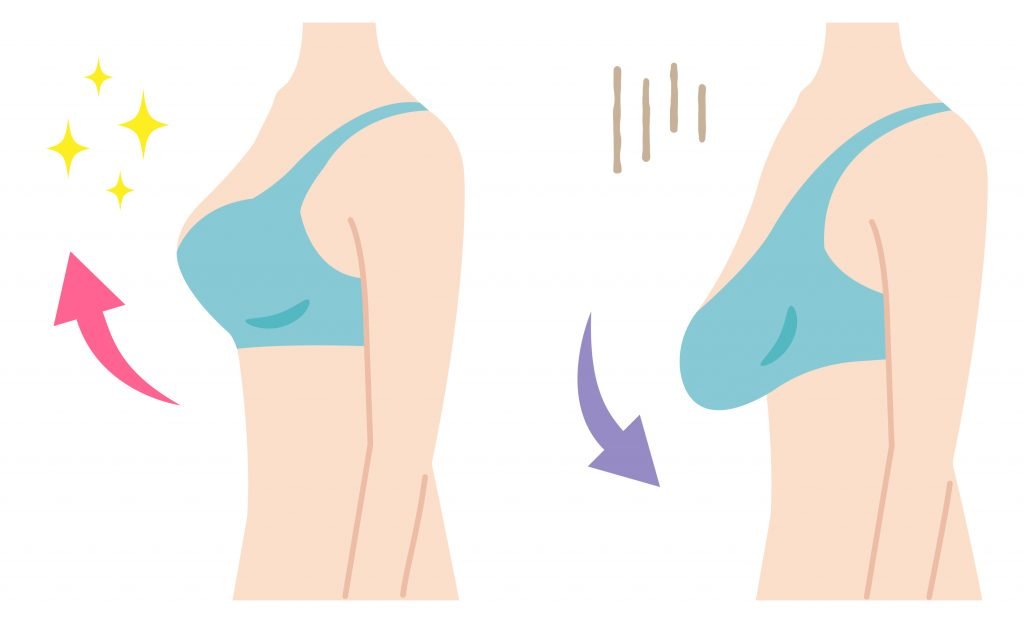
What are the benefits of a breast lift?
A breast lift, or mastopexy, offers several benefits that can improve both the physical appearance and emotional well-being of individuals.
Here are the key benefits:
Physical Benefits
Enhanced Breast Shape and Contour:
- Lifts sagging breasts to a more youthful and natural position.
- Improves the overall shape and firmness of the breasts.
Repositioned Nipples and Areolae:
- Elevates the nipples and areolae to a more youthful height.
- Can reduce the size of enlarged areolae, making them more proportionate to the breasts.
Reduction of Excess Skin:
- Removes excess, stretched skin, contributing to a firmer appearance.
Improved Symmetry:
- Corrects asymmetry in breast shape, size, or nipple position.
Emotional and Psychological Benefits
Boosted Self-Confidence:
- Enhances self-image and confidence by achieving a more youthful and attractive breast appearance.
Improved Body Proportion:
- Balances body proportions, often making clothes fit better and enhancing overall body aesthetics.
Enhanced Comfort:
- Reduces physical discomfort caused by sagging breasts, such as skin irritation or bra strap indentations.
Positive Impact on Quality of Life:
- Many patients report a positive impact on their overall quality of life, including improved posture and more active lifestyle choices.
Long-Term Benefits
Durable Results:
- Provides long-lasting results, especially when maintaining a stable weight and healthy lifestyle.
Customizable Procedure:
- Can be tailored to individual needs and combined with other procedures, such as breast augmentation or breast reduction, to achieve desired results.
Post-Pregnancy Benefits
- Restoration after Childbearing:
- Helps restore breast shape and firmness after pregnancy and breastfeeding, which often lead to breast sagging.
Am I a good candidate for a breast lift?
A good candidate for breast lift surgery is someone who experiences sagging or drooping breasts and desires a more youthful and uplifted breast contour.
The key characteristics of a good breast lift candidate are:
Breast Sagging (Ptosis):
- Breasts have lost shape and volume, and they are sagging.
- Nipples and areolae point downward, often falling below the breast crease.
Stretch Marks:
- Presence of stretch marks on the breasts, indicating loss of skin elasticity.
Asymmetry:
- Uneven breast levels or nipple positions.
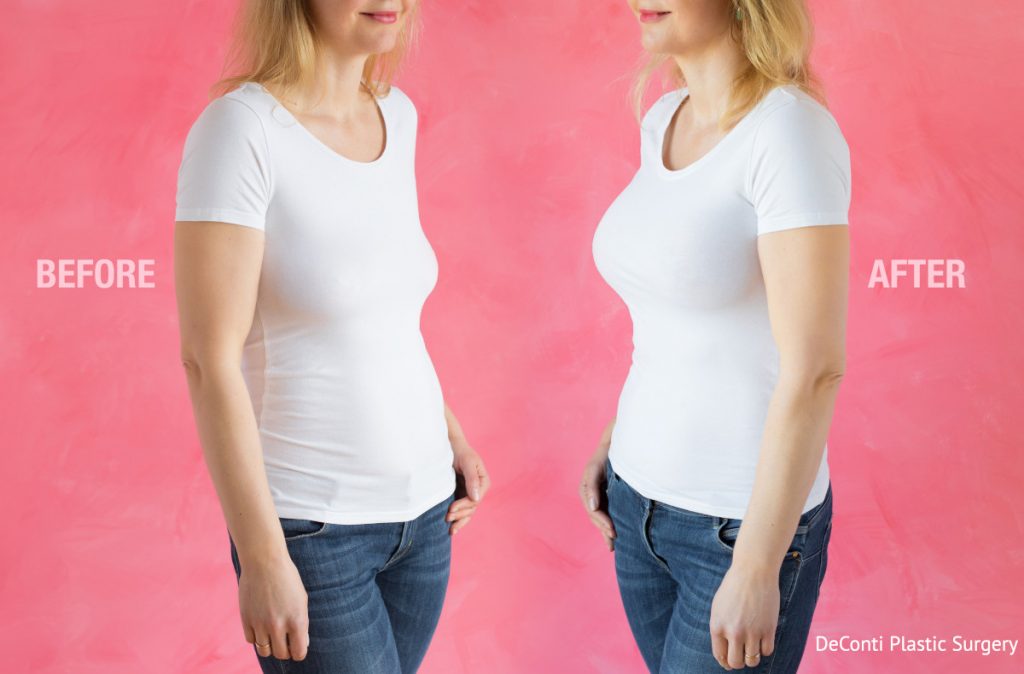
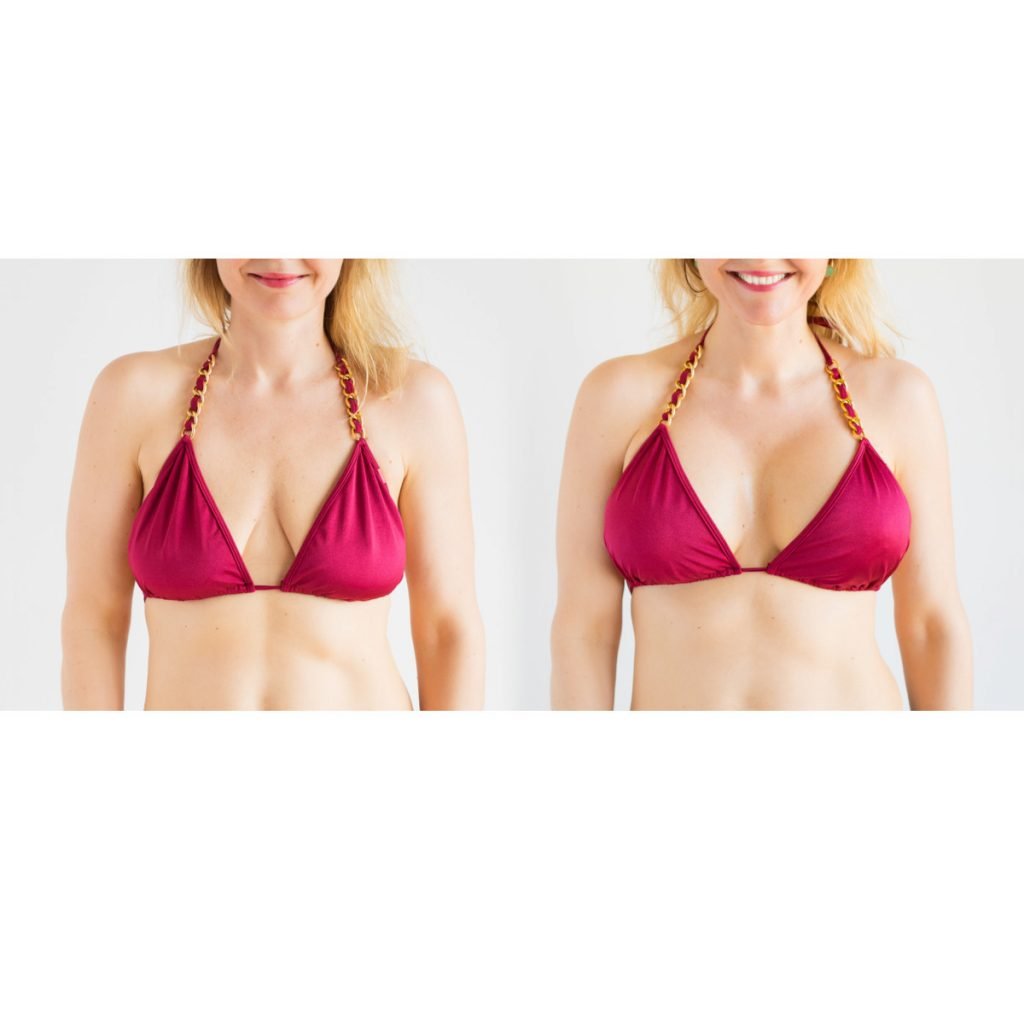
What are the different types of breast lifts?
There are four major types of breast lift techniques, each tailored to address different levels of sagging and individual patient needs.
The four major types of breast lifts are:
1. Crescent Lift
- Incision: A small, crescent-shaped incision along the upper half of the areola.
- Use: Suitable for women with minimal sagging. Often used in combination with breast augmentation.
- Benefits: Minimal scarring.
2. Periareolar or Donut Lift
- Incision: A circular incision around the perimeter of the areola.
- Use: Ideal for women with mild to moderate sagging and those who need areola size reduction.
- Benefits: Scar is confined to the edge of the areola, making it less noticeable.
3. Vertical or Lollipop Lift
- Incision: An incision around the perimeter of the areola and a vertical incision from the bottom of the areola to the breast crease.
- Use: Suitable for moderate sagging and provides significant reshaping.
- Benefits: More extensive reshaping and lifting, with scars that are generally well-concealed.
4. Anchor or Inverted-T Lift
- Incision: An incision around the perimeter of the areola, a vertical incision from the areola to the breast crease, and a horizontal incision along the breast crease.
- Use: Best for women with significant sagging and those requiring substantial reshaping.
- Benefits: Allows for the maximum lift and reshaping, though it results in more extensive scarring.
What is a crescent breast lift?
A crescent breast lift, also known as a crescent mastopexy, is a minimally invasive breast lift technique designed to address mild sagging. This procedure is often chosen by women who require only a minor lift or who want to correct minor asymmetry in breast position.
Here’s a detailed overview:
Incision
- Location: The incision is made along the upper half of the areola, in a crescent (half-moon) shape.
- Length: The length of the incision depends on the amount of lift required, but it typically spans the top edge of the areola.
Procedure
- Anesthesia: The procedure is usually performed under local anesthesia with sedation or general anesthesia.
- Incision: A small, crescent-shaped piece of skin above the areola is removed.
- Lifting: The remaining skin is then lifted and sutured to a higher position, which raises the nipple and areola slightly.
- Closing: The incision is closed with sutures, resulting in a scar that typically blends with the natural pigmentation of the areola.
Indications for Crescent Breast Lift
- Mild Sagging: Suitable for women with minimal sagging, where only a slight lift is needed.
- Areola Position Adjustment: Can be used to slightly elevate the position of the nipple and areola.
- Combination with Augmentation: Often combined with breast augmentation to enhance both the lift and volume of the breasts.
Benefits
- Minimal Scarring: The scar is confined to the upper edge of the areola, making it less noticeable.
- Less Invasive: Compared to other breast lift techniques, the crescent lift is less invasive with a shorter recovery time.
- Natural Results: Provides a subtle, natural lift without significant alteration to the breast shape.
Limitations
- Limited Lift: Only suitable for women with mild sagging. It does not provide enough lift for moderate to severe sagging.
- Subtle Changes: The changes are subtle and may not be sufficient for those seeking a dramatic lift or significant reshaping.
Recovery
- Healing Time: Recovery is typically faster than more extensive breast lift procedures. Most patients can resume normal activities within a few days, with full recovery in a few weeks.
- Post-Operative Care: Patients should follow the surgeon’s instructions for post-operative care, including wearing a supportive bra and avoiding strenuous activities.
Ideal Candidates
- Women with mild breast sagging.
- Individuals looking for a minor correction in nipple position.
- Patients desiring a less invasive procedure with minimal scarring.
- Women combining the lift with breast augmentation for enhanced results.
What is a periareolar breast lift?
Periareolar Mastopexy, also known as a donut lift, is a type of breast lift Richmond VA surgery that addresses mild to moderate sagging. This technique is characterized by a circular incision around the perimeter of the areola.
Procedure:
- Anesthesia: General anesthesia or local anesthesia with sedation.
- Incision: A circular incision is made around the outer edge of the areola.
- Tissue Removal and Lifting: Excess skin is removed, and the surrounding breast tissue is tightened to lift and reshape the breast.
- Areola Adjustment: The size of the areola can be reduced if necessary, and the areola is repositioned higher on the breast.
- Closing the Incision: The incision is closed with sutures, resulting in a scar that typically blends with the natural edge of the areola.
Benefits:
- Minimal Scarring: The scar is confined to the edge of the areola and is usually well-concealed.
- Areola Reduction: Can reduce the size of the areola, which may be beneficial for patients with enlarged areolae.
- Moderate Lift: Provides a moderate amount of lift and reshaping.
Limitations:
- Limited Lift: Not suitable for women with severe sagging or significant breast reshaping needs.
Ideal Candidates:
- Women with mild to moderate breast sagging.
- Individuals looking to reduce the size of the areola.
- Patients who prefer minimal scarring.
What is a vertical breast lift or lollipop breast lift?
Vertical Mastopexy, also known as a lollipop lift, is a more comprehensive breast lift technique suitable for moderate sagging. This procedure involves both a circular incision around the areola and a vertical incision from the bottom of the areola to the breast crease.
Procedure:
- Anesthesia: General anesthesia or local anesthesia with sedation.
- Incisions:
- A circular incision around the perimeter of the areola.
- A vertical incision from the bottom of the areola to the inframammary fold (breast crease), creating a lollipop shape.
- Tissue Removal and Lifting: Excess skin is removed, and the breast tissue is lifted and reshaped to achieve a more youthful contour.
- Areola Adjustment: The areola is repositioned higher on the breast, and its size can be reduced if needed.
- Closing the Incisions: The incisions are closed with sutures, resulting in a lollipop-shaped scar.
Benefits:
- Significant Lift: Provides a greater degree of lift and reshaping compared to the periareolar technique.
- Improved Breast Contour: Creates a firmer and more youthful breast shape.
- Moderate Scarring: The scars are generally well-concealed and fade over time.
Limitations:
- Visible Scarring: The vertical scar is more noticeable initially but usually fades significantly over time.
- Longer Recovery: The recovery period may be slightly longer compared to less invasive techniques.
Ideal Candidates:
- Women with moderate breast sagging.
- Individuals seeking a more significant lift and reshaping of the breasts.
- Patients willing to accept the vertical scar for improved breast contour.
What is an anchor or inverted T mastopexy?
The Anchor Mastopexy, also known as the inverted-T lift, is a breast lift technique designed for women with significant breast sagging (ptosis). This method provides the most substantial lift and reshaping capabilities, making it ideal for those needing extensive correction.
Procedure:
Anesthesia: General anesthesia is typically used for this procedure.
Incisions:
- Periareolar Incision: Around the perimeter of the areola.
- Vertical Incision: Extending from the bottom of the areola to the breast crease.
- Horizontal Incision: Along the breast crease (inframammary fold).
Tissue Removal and Lifting: Excess skin and breast tissue are removed. The remaining tissue is reshaped and lifted to create a firmer, more youthful breast contour.
Areola Adjustment: The areola is repositioned to a higher, more natural position on the breast. The size of the areola can also be reduced if needed.
Closing the Incisions: The incisions are closed with sutures, creating an anchor-shaped scar pattern (around the areola, vertically down to the breast crease, and along the breast crease).
Benefits:
- Significant Lift and Reshaping: Provides the most extensive lift and reshaping capabilities, suitable for severe sagging.
- Improved Breast Contour: Creates a firmer, more youthful appearance.
- Versatility: Can be combined with breast reduction or augmentation if needed.
Limitations:
- Scarring: Results in more noticeable scarring compared to other breast lift techniques. Scars typically fade over time but will always be present.
- Longer Recovery: Recovery may take longer due to the extent of the surgery.
Ideal Candidates:
- Women with significant breast sagging or ptosis.
- Individuals needing extensive reshaping and lifting.
- Patients willing to accept more noticeable scars for a significant improvement in breast shape and position.
- Those who have lost a significant amount of weight, leading to excess skin and sagging breasts.
Recovery:
- Initial Recovery: Patients can expect swelling, bruising, and discomfort for the first few days to weeks. Pain medication and supportive garments are usually prescribed.
- Activity Restrictions: Avoid strenuous activities and heavy lifting for several weeks. Light activities can typically be resumed within a week or two.
- Long-Term Healing: Scars will fade over time, and final results can be seen after a few months once the breasts have settled into their new shape.
Consultation:
A thorough consultation with a board-certified plastic surgeon is essential to determine if the anchor mastopexy is the right procedure. The surgeon will evaluate the degree of sagging, skin quality, and overall breast anatomy to recommend the most appropriate technique and discuss the expected outcomes, potential risks, and recovery process.
What are non surgical options for lifting the breast?
Non surgical breast lift options for lifting the breast primarily focus on improving skin elasticity and firmness, providing a subtle lift without invasive procedures.
Here are some common non-surgical methods:
1. Laser Breast Lift
- How it Works: Uses laser energy to heat the skin, stimulating collagen production and tightening the skin.
- Benefits: Can improve skin texture and firmness, resulting in a subtle lift.
- Limitations: Results are typically less dramatic than surgical options and may require multiple sessions.
2. Radiofrequency Therapy
- How it Works: Uses radiofrequency energy to heat the deeper layers of the skin, promoting collagen production and skin tightening.
- Benefits: Non-invasive with no downtime, can result in firmer, more lifted skin.
- Limitations: Multiple treatments are often needed, and results are more subtle compared to surgery.
3. Ultrasound Therapy
- How it Works: Uses focused ultrasound energy to heat the skin and stimulate collagen production.
- Benefits: Can tighten and lift the skin, non-invasive with minimal downtime.
- Limitations: Results are gradual and typically less pronounced than surgical options.
4. Thread Lifts
- How it Works: Involves inserting dissolvable threads under the skin to lift and support sagging tissues.
- Benefits: Provides immediate lifting effect with minimal downtime.
- Limitations: Results are temporary, lasting 1-2 years, and may not be as significant as surgical lifts.
5. Dermal Fillers
- How it Works: Injectable fillers add volume to the breast area, improving contour and providing a mild lift.
- Benefits: Minimally invasive, immediate results.
- Limitations: Results are temporary, and this method is better suited for subtle enhancements.
6. Topical Treatments
- How it Works: Creams and serums containing ingredients like retinoids, hyaluronic acid, and peptides can improve skin firmness and elasticity.
- Benefits: Easy to use and non-invasive.
- Limitations: Results are minimal and temporary, and these products cannot provide a significant lift.
7. Exercise and Strength Training
- How it Works: Targeted exercises to strengthen the pectoral muscles can improve the overall appearance of the breasts.
- Benefits: Natural and can improve muscle tone.
- Limitations: Does not lift the skin or breast tissue itself, but can enhance the appearance of the chest area.
8. Supportive Bras and Shapewear
- How it Works: Specially designed bras and shapewear can provide immediate lifting and contouring effects.
- Benefits: Non-invasive, instant results.
- Limitations: Results are only temporary and dependent on wearing the garment.
9. Microneedling
- How it Works: Involves using a device with fine needles to create micro-injuries in the skin, stimulating collagen production.
- Benefits: Can improve skin texture and firmness.
- Limitations: Multiple treatments are often required, and results are subtle.
Considerations
- Realistic Expectations: Non-surgical methods generally provide less dramatic results compared to surgical breast lifts.
- Maintenance: Many non-surgical treatments require ongoing maintenance to sustain results.
- Consultation: Consulting with a qualified dermatologist or plastic surgeon can help determine the most suitable non-surgical options based on individual needs and goals.
While non-surgical options can provide improvements, they are typically best suited for individuals with mild sagging or those who are not ready for surgical intervention. For significant sagging, surgical options like mastopexy may be necessary to achieve desired results.
What do i need to do before my breast lift procedure?
Preparing for a breast lift procedure involves several important steps to ensure a smooth surgery and recovery.
Here’s a detailed guide on what you should do before your breast lift procedure:
1. Consultation with Your Surgeon
- Initial Consultation: Discuss your goals, expectations, and medical history with your surgeon. This helps in determining if you are a suitable candidate for the procedure.
- Physical Examination: The surgeon will examine your breasts, including the size, shape, skin quality, and degree of sagging.
- Photographs: Preoperative photographs may be taken for your medical record and to plan the surgery.
2. Preoperative Instructions
- Medical Tests: You may need to undergo blood tests, a mammogram, or other diagnostic tests to ensure you are in good health for surgery.
- Medications: Provide a list of all medications, supplements, and vitamins you are taking. Your surgeon may advise you to stop certain medications that can increase bleeding, such as aspirin, anti-inflammatory drugs, and some herbal supplements.
- Smoking: If you smoke, you will need to stop several weeks before and after surgery, as smoking can impair healing and increase the risk of complications.
3. Preparing Your Body
- Maintain a Stable Weight: Aim to maintain a stable weight before surgery, as significant weight changes can affect the results.
- Healthy Diet: Eat a balanced diet rich in vitamins and nutrients to promote healing.
- Hydration: Stay well-hydrated in the weeks leading up to surgery.
4. Arranging Postoperative Care
- Recovery Area: Prepare a comfortable space at home for your recovery, including pillows, blankets, and entertainment.
- Support System: Arrange for someone to drive you home after surgery and stay with you for at least the first 24-48 hours to help with daily activities and monitor your condition.
- Childcare and Pets: If you have children or pets, arrange for additional help to take care of them during your initial recovery period.
5. Surgical Planning
- Discuss the Procedure: Go over the surgical plan, including the type of breast lift, incision locations, anesthesia, and expected outcomes.
- Review Risks and Complications: Understand the potential risks and complications associated with the procedure.
- Informed Consent: Read and sign the informed consent form, acknowledging that you understand the risks and benefits of the surgery.
6. Preoperative Shopping
- Comfortable Clothing: Purchase loose, comfortable clothing that is easy to put on and take off, such as button-up or zip-up tops.
- Post-Surgical Bra: Get a supportive, non-underwire post-surgical bra as recommended by your surgeon.
- Medications and Supplies: Fill any prescriptions for pain medications, antibiotics, and other post-operative supplies ahead of time.
7. Night Before Surgery
- Fasting: Follow your surgeon’s instructions regarding fasting. Typically, you should not eat or drink anything after midnight before the day of surgery.
- Shower: Take a shower using an antibacterial soap to reduce the risk of infection.
- Rest: Get a good night’s sleep to ensure you are well-rested for the procedure.
8. Day of Surgery
- Avoid Makeup and Jewelry: Do not wear makeup, nail polish, jewelry, or contact lenses to the surgical facility.
- Wear Comfortable Clothing: Dress in loose, comfortable clothing that is easy to change out of.
- Arrive Early: Arrive at the surgical facility early to complete any remaining paperwork and prepare for the procedure.
Emotional Preparation
- Stay Informed: Educate yourself about the procedure and ask your surgeon any questions you may have.
- Manage Stress: Practice relaxation techniques such as deep breathing, meditation, or gentle exercise to manage pre-surgery anxiety.
By following these steps, you can help ensure that you are well-prepared for your breast lift procedure and set yourself up for a smooth recovery. Always follow the specific instructions provided by your surgeon, as they are tailored to your individual needs and medical history.
What should I expect on the day of my breast lift procedure?
On the day of your breast lift procedure, you can expect a series of steps designed to ensure your safety and comfort before, during, and after the surgery.
Here’s a detailed breakdown of what typically happens:
Pre-Surgery Preparation
Arrival at the Surgical Facility:
- Check-In: Arrive at the surgical facility as instructed, usually several hours before the scheduled surgery time.
- Paperwork: Complete any necessary paperwork, including consent forms and insurance information.
Pre-Operative Area:
- Changing Clothes: You will change into a surgical gown.
- Vital Signs: A nurse will check your vital signs, including blood pressure, pulse, and temperature.
- IV Line: An intravenous (IV) line will be started to administer fluids and medications during the surgery.
Meeting with the Surgical Team:
- Surgeon: Your surgeon will review the procedure, mark your breasts to guide the surgery, and answer any last-minute questions.
- Anesthesiologist: You will meet with the anesthesiologist to discuss the anesthesia plan and review your medical history.
During the Surgery
Anesthesia:
- Administration: You will be given anesthesia to ensure you are comfortable and pain-free during the procedure. This is usually general anesthesia, so you will be asleep.
- Monitoring: Your vital signs will be continuously monitored throughout the surgery.
The Procedure:
- Incisions: The surgeon will make the necessary incisions based on the type of breast lift you are having (e.g., crescent, periareolar, vertical, or anchor).
- Reshaping and Lifting: Excess skin is removed, the breast tissue is lifted and reshaped, and the nipple and areola are repositioned.
- Closing Incisions: The incisions are closed with sutures, skin adhesives, or surgical tape.
Duration: The surgery typically takes 2-3 hours, depending on the complexity of the procedure and whether it is combined with other procedures like augmentation or reduction.
Post-Surgery Recovery
Recovery Room:
- Initial Monitoring: After the surgery, you will be taken to a recovery room where nurses will monitor your vital signs and overall condition as you wake up from anesthesia.
- Pain Management: Pain and anti-nausea medications may be administered to manage any discomfort or side effects from the anesthesia.
Discharge Instructions:
- Post-Operative Care: Your surgeon or a nurse will provide detailed instructions on how to care for your incisions, manage pain, and recognize signs of complications.
- Support Garments: You will likely be fitted with a supportive bra or compression garment to minimize swelling and support the healing breasts.
- Activity Restrictions: Instructions will include restrictions on activities, lifting, and exercise for the initial recovery period.
Going Home:
- Assistance: Arrange for someone to drive you home, as you will not be able to drive yourself after anesthesia.
- Supervision: It’s recommended to have someone stay with you for the first 24-48 hours to help with daily activities and monitor your condition.
Emotional and Physical Expectations
- Discomfort and Pain: Expect some discomfort, pain, and tightness in the chest area. Pain can be managed with prescribed medications.
- Swelling and Bruising: Swelling and bruising are normal and will gradually subside over the following weeks.
- Limited Mobility: You may experience limited mobility in your arms and upper body, so avoid strenuous activities and heavy lifting.
- Rest and Recovery: Plan to rest and take it easy for the first few days, gradually increasing your activity level as advised by your surgeon.
By understanding what to expect on the day of your breast lift procedure, you can better prepare yourself mentally and physically for the surgery and recovery process. Always follow the specific instructions provided by your surgical team to ensure a smooth and successful experience.
What do i need to do after my breast lift procedure?
After a breast lift procedure, proper post-operative care is crucial for a smooth recovery and optimal results.
Here are the key steps to follow:
1. Immediate Post-Operative Care
- Monitoring: You will be monitored in a recovery area immediately after surgery until you are stable enough to go home.
- Dressings and Bandages: Your breasts will be bandaged, and you may have drainage tubes to remove excess fluids. Follow your surgeon’s instructions for care.
2. Pain Management
- Medications: Take prescribed pain medications and antibiotics as directed to manage discomfort and prevent infection.
- Cold Compresses: Use cold compresses to reduce swelling and alleviate pain. Apply as recommended by your surgeon.
3. Wound Care
- Dressings: Keep surgical dressings clean and dry. Follow your surgeon’s instructions on when and how to change them.
- Showering: Avoid getting the incision sites wet until your surgeon advises it’s safe to shower. When allowed, use gentle, unscented soap and pat the area dry.
4. Wearing a Supportive Bra
- Post-Surgical Bra: Wear the recommended supportive, non-underwire bra continuously for the first few weeks to provide support and minimize swelling.
- Avoid Regular Bras: Do not wear regular bras until your surgeon gives you the go-ahead, as they can interfere with the healing process.
5. Activity Restrictions
- Rest: Get plenty of rest in the first few days post-surgery. Avoid strenuous activities, heavy lifting, and exercise for at least 4-6 weeks.
- Gentle Movement: Engage in light activities such as walking to promote circulation and reduce the risk of blood clots.
- Sleeping Position: Sleep on your back with your head elevated to reduce swelling and avoid putting pressure on your breasts.
6. Monitoring for Complications
- Signs of Infection: Watch for signs of infection, such as increased redness, swelling, warmth, or discharge from the incision sites. Contact your surgeon immediately if you notice these symptoms.
- Pain and Swelling: Some pain and swelling are normal, but if you experience severe pain, significant swelling, or any unusual symptoms, notify your surgeon.
7. Follow-Up Appointments
- Scheduled Visits: Attend all follow-up appointments with your surgeon to monitor your healing progress and address any concerns.
- Removal of Stitches: If non-dissolvable stitches are used, your surgeon will remove them during a follow-up visit.
8. Long-Term Care
- Scar Management: Follow your surgeon’s recommendations for scar care, which may include silicone sheets, creams, or massage techniques to minimize scarring.
- Sun Protection: Protect your scars from sun exposure by keeping them covered or using a high-SPF sunscreen to prevent darkening of the scars.
9. Emotional Support
- Patience: Understand that it takes time for the final results to become apparent. Swelling will gradually subside, and the shape of your breasts will continue to improve over several months.
- Support System: Lean on friends, family, or support groups for emotional support during your recovery.
10. Lifestyle Considerations
- Healthy Diet: Maintain a balanced diet rich in vitamins and nutrients to support healing.
- Hydration: Stay well-hydrated to aid the healing process.
- Avoid Smoking and Alcohol: Refrain from smoking and limit alcohol consumption, as these can impair healing and increase the risk of complications.
Final Thoughts
Following these post-operative care guidelines can help ensure a smooth recovery and the best possible outcome from your breast lift procedure. Always adhere to your surgeon’s specific instructions and reach out to them if you have any questions or concerns during your recovery.
How long does breast lift surgery take?
Factors Influencing Surgery Duration
Extent of Lift Required:
- Mild Sagging: Less extensive lifts, such as a crescent or periareolar (donut) lift, may take less time.
- Severe Sagging: More extensive lifts, like the vertical (lollipop) or anchor (inverted-T) lift, may take longer due to the additional incisions and reshaping involved.
Combination with Other Procedures:
- If the breast lift is combined with other procedures such as breast augmentation (implants) or breast reduction, the surgery time will be longer.
Surgeon’s Technique and Experience:
- The skill and efficiency of the surgeon can also impact the duration. Experienced surgeons may perform the procedure more quickly while still ensuring quality and safety.
Individual Patient Factors:
- The patient’s anatomy, including breast size and shape, skin quality, and overall health, can influence the complexity and duration of the surgery.
Preoperative and Postoperative Processes:
- Time spent on preoperative preparations (marking the breasts, administering anesthesia) and postoperative recovery (monitoring in the recovery room) are not included in the actual surgery time but contribute to the overall time spent at the surgical facility.
Summary
- Typical Duration: 2 to 3 hours for the surgery itself.
- Additional Time: Preoperative preparations and postoperative recovery may add a few more hours to the total time spent at the facility.
It’s important to discuss the expected duration of your specific procedure with your surgeon during your consultation. This will help you plan accordingly and have a clear understanding of the time commitment on the day of your surgery.
What is the difference between a breast augmentation versus a breast lift?
A breast augmentation vs lift a are two distinct cosmetic surgeries that address different concerns related to the appearance of the breasts.
Here is a breakdown of the key differences:
1. Breast Augmentation:
- Purpose: The primary goal is to increase the size, volume, or fullness of the breasts.
- Procedure: Involves the insertion of implants (saline or silicone) to enhance breast size or restore breast volume lost due to weight loss, pregnancy, or aging.
- Results: Larger, fuller breasts. This procedure primarily changes the size and shape but does not significantly lift sagging breasts.
- Candidates: Ideal for individuals who want larger breasts or wish to restore volume.
2. Breast Lift (Mastopexy):
- Purpose: The main goal is to lift and reshape sagging breasts, improving their position and firmness without necessarily changing their size.
- Procedure: Involves the removal of excess skin, tightening the surrounding tissue, and repositioning the nipple to create a more lifted and youthful breast contour.
- Results: Firmer, perkier breasts with an improved shape. It addresses sagging but does not significantly add volume unless combined with augmentation.
- Candidates: Suitable for individuals whose breasts have lost shape and firmness due to factors like aging, pregnancy, breastfeeding, or significant weight loss.
Combination of Both:
- Many people opt for both procedures simultaneously, especially if they want to increase breast size while also addressing sagging. This combination can result in both fuller and lifted breasts.
In summary, breast augmentation is focused on increasing size, while a breast lift is about improving the position and firmness of the breasts.
How do I pick the best breast surgeon for me?
Choosing the right breast surgeon for your breast lift procedure is crucial to achieving the best results and ensuring a safe and positive experience.
Here are steps to help you select the best surgeon for your needs:
1. Research and Credentials
- Board Certification: Ensure the surgeon is board-certified by the American Board of Plastic Surgery (ABPS) or an equivalent board in your country. Board certification indicates that the surgeon has undergone rigorous training and meets high standards of competence and ethics like Dr. DeConti.
- Experience: Look for a surgeon with extensive experience in performing breast lift surgeries. Check how many procedures they have performed and their specific expertise in breast lifts. Dr. DeConti has an extensive experience in breast lift surgery and has performed over 800 breasts lifts.
2. Reviews and Testimonials
- Patient Reviews: Read reviews and testimonials from past patients. Google, Facebook, and others can provide insights into other patients’ experiences.
- Before and After Photos: Review before and after photos of the surgeon’s previous breast lift patients to assess the quality of their work and see results similar to what you desire.
3. Consultation
- Initial Consultation: Schedule a consultation with the surgeon. This is an opportunity to ask questions, discuss your goals, and evaluate the surgeon’s approach and communication style.
- Questions to Ask:
- What is your experience with breast lift surgeries?
- Can I see before and after photos of your previous patients?
- What techniques do you use for breast lifts, and why?
- What are the risks and potential complications of this procedure?
- How do you handle complications if they arise?
- What is the recovery process like?
- What follow-up care do you provide?
4. Communication and Comfort
- Trust and Comfort: Choose a surgeon you feel comfortable with and trust. The surgeon should be approachable, attentive, and willing to answer all your questions.
- Patient-Centered Care: The surgeon should listen to your concerns, understand your goals, and provide personalized recommendations based on your needs.
5. Facility Accreditation
- Accredited Surgical Facility: Ensure the surgery will be performed in an accredited facility, such as a hospital or an accredited outpatient surgery center. Accredited facilities adhere to strict safety and quality standards.
6. Cost and Financing
- Cost: Discuss the total cost of the procedure, including surgeon’s fees, anesthesia fees, facility fees, and any additional costs (e.g., post-surgery garments, medications).
- Financing Options: Ask about financing options or payment plans if needed.
7. Second Opinions
- Multiple Consultations: Consider consulting with more than one surgeon to compare their approaches, recommendations, and your comfort level with each.
8. Red Flags to Watch For
- Pressure Tactics: Avoid surgeons who use high-pressure sales tactics or make unrealistic promises.
- Lack of Transparency: Be wary of surgeons who are not forthcoming about their credentials, experience, or the risks associated with the procedure.
- Poor Communication: If the surgeon or their staff are difficult to communicate with or do not respond promptly to your inquiries, consider this a red flag.
Making Your Decision
After researching and consulting with potential surgeons, consider the following factors to make your final decision:
- Qualifications and Experience: The surgeon’s credentials, experience, and expertise in breast lift procedures.
- Patient Satisfaction: Positive reviews and testimonials, as well as impressive before and after photos.
- Personal Comfort: Your comfort level and trust in the surgeon’s ability to understand and achieve your goals.
- Facility Quality: The accreditation and quality of the surgical facility.
- Comprehensive Care: The thoroughness of the pre-operative consultation, clear communication about the procedure, and a detailed recovery plan.
By taking these steps, you can choose a highly qualified and reputable breast surgeon like Dr. DeConti who will help you achieve the best possible results with your breast lift procedure.
How much is a breast lift?
A breast lift mastopexy cost can vary widely depending on several factors, including:
- Geographic Location: Breast list cost can differ significantly depending on the region or country where the surgery is performed.
- Surgeon’s Experience and Reputation: Highly experienced and reputable surgeons may charge more for their services.
- Complexity of the Procedure: More complex surgeries that require extensive work may be more expensive.
- Type of Facility: Whether the procedure is done in a hospital, an outpatient surgery center, or a private clinic can affect the cost.
- Anesthesia Fees: The cost of anesthesia can vary depending on the type and duration of the surgery.
- Pre- and Post-Operative Care: Costs associated with consultations, follow-up visits, and any necessary medications or care after surgery.
On average, in the United States, the cost of a breast lift near me can range from $10,000 to $15,000. It’s essential to have a detailed consultation with an experienced breast surgeon like Dr. DeConti to get an accurate estimate based on your specific needs and circumstances.
Yes, you will have breast lift scars after a boob lift (mastopexy), as the procedure involves incisions to remove excess skin and reshape the breast. However, the extent and visibility of the breast lift scar can vary based on the technique used, your skin type, and how well you follow post-operative care instructions.
Here’s what you need to know about scarring after a breast lift:
Types of Incisions and Scars
Crescent Lift:
- Incision: A small, crescent-shaped incision along the upper half of the areola.
- Scarring: Minimal scarring, typically well-concealed around the top edge of the areola.
- Use: Suitable for minor lifts.
Periareolar (Donut) Lift:
- Incision: A circular incision around the perimeter of the areola.
- Scarring: The scar is confined to the edge of the areola, blending with the natural pigmentation.
- Use: Ideal for mild to moderate sagging and areola size reduction.
Vertical (Lollipop) Lift:
- Incisions: A circular incision around the areola and a vertical incision from the bottom of the areola to the breast crease.
- Scarring: Mastopexy scars form a lollipop shape and are generally well-concealed but more visible than the periareolar lift.
- Use: Suitable for moderate sagging.
Anchor (Inverted-T) Lift:
- Incisions: A circular incision around the areola, a vertical incision from the areola to the breast crease, and a horizontal incision along the breast crease.
- Scarring: Scars form an anchor or inverted-T shape, the most extensive scarring but necessary for significant lifting and reshaping.
- Use: Best for severe sagging.
Scar Management and Healing
Post-Operative Care:
- Follow your surgeon’s instructions carefully to promote healing and minimize scarring.
- Keep the incision sites clean and dry.
- Avoid smoking, as it can impair healing and worsen scarring.
Supportive Garments:
- Wear the recommended supportive bras or compression garments to reduce swelling and support the healing tissues.
Scar Treatments:
- Your surgeon may recommend scar treatments such as silicone sheets, gels, or creams to help reduce the appearance of scars.
- Gentle massage of the scar tissue, as advised by your surgeon, can also aid in healing.
Sun Protection:
- Protect your scars from sun exposure, as UV rays can darken scars and make them more noticeable. Use a high-SPF sunscreen or keep the area covered.
Healthy Lifestyle:
- Maintain a healthy diet and stay hydrated to support the healing process.
- Avoid activities that may strain or stretch the incisions during the initial healing period.
Long-Term Expectations
- Scar Fading: Scars will fade over time, becoming less noticeable. It can take several months to a year for scars to mature and lighten.
- Scar Placement: Surgeons aim to place incisions in areas that can be easily concealed by clothing and natural breast contours.
- Individual Healing: The appearance of scars can vary based on individual skin type, genetics, and how well you follow post-operative care instructions.
By following your surgeon’s advice and taking proactive steps in your post-operative care, you can help ensure that your scars heal well and become as inconspicuous as possible.
Breast lift results will become more apparent over time as your body heals and adjusts.
Here’s a general breast lift recovery time of what to expect:
Immediate Post-Surgery (First Few Days)
- Initial Results: You will notice an immediate change in the shape and position of your breasts right after surgery. However, these results will be somewhat obscured by swelling and bruising.
- Swelling and Bruising: Significant swelling and bruising are common and can last for several weeks.
Early Recovery (Weeks 1-4)
- Shape and Position: As the swelling begins to subside, the new shape and position of your breasts will start to become more noticeable.
- Settling: The breasts may appear high on the chest initially, but they will gradually settle into a more natural position.
Mid to Late Recovery (Weeks 4-6)
- Continued Improvement: Swelling continues to decrease, and the breasts start to soften and take on a more natural contour.
- Scars: Incision lines will still be visible but will begin to fade and flatten out.
3 Months Post-Surgery
- Visible Results: By this time, most of the swelling should have subsided, and you will have a much clearer view of the results. The breasts will have settled into their new shape.
- Scars: Scars will still be present but will continue to fade and improve in appearance.
6 Months to 1 Year Post-Surgery
- Final Results: You should see the final results of your breast lift by 6 months to a year after surgery. The breasts will have fully settled, and the scars will continue to fade.
- Scars: Scars typically become less noticeable, often turning white or skin-colored. With proper care, they may become quite inconspicuous.
Long-Term Care
- Maintaining Results: To maintain the results of your breast lift, it’s important to follow a healthy lifestyle, including maintaining a stable weight, avoiding smoking, and wearing supportive bras.
- Follow-Up Appointments: Regular follow-up appointments with your surgeon will help monitor your progress and address any concerns.
Factors Influencing the Timeline
- Individual Healing: Healing times can vary based on individual factors such as age, genetics, overall health, and how well you follow post-operative care instructions.
- Surgical Technique: The specific technique used for your breast lift can also impact the recovery timeline and the speed at which results become apparent.
By understanding this timeline and following Dr. DeConti’s advice, you can ensure a smooth recovery and enjoy the best possible results from your breast lift procedure.
While a breast lift (mastopexy) is generally safe when performed by a qualified surgeon, like any surgical procedure, it carries some risks and potential complications.
The possible complications of a breast lift are:
Scarring:
- Visibility: Scars are permanent but often fade over time. The extent and visibility of scars depend on the surgical technique used and individual healing factors.
- Hypertrophic Scars or Keloids: In some cases, scars can become raised and thickened.
Infection:
- Symptoms: Signs of infection include increased redness, swelling, warmth, pain, and discharge from the incision sites.
- Prevention: Proper wound care and adherence to post-operative instructions can help prevent infections. Antibiotics may be prescribed if needed.
Changes in Nipple or Breast Sensation:
- Temporary: Temporary changes in sensation are common and typically resolve within a few months.
- Permanent: Permanent loss of sensation in the nipples or breasts is rare but possible.
Asymmetry:
- Uneven Results: There may be differences in the size, shape, or position of the breasts or nipples.
- Revision Surgery: In some cases, additional surgery may be needed to correct asymmetry.
Poor Wound Healing:
- Delayed Healing: Some areas of the incision may heal more slowly than others.
- Necrosis: In rare cases, poor blood supply can lead to tissue necrosis (death of tissue).
Blood Clots (Hematoma) and Fluid Accumulation (Seroma):
- Hematoma: Accumulation of blood in the surgical area may require drainage.
- Seroma: Accumulation of fluid may also need to be drained.
Breast Shape and Contour Irregularities:
- Rippling or Wrinkling: Uncommon but can occur, particularly in patients with significant weight fluctuations post-surgery.
Fat Necrosis:
- Hard Lumps: Fatty tissue within the breast can become damaged and form hard lumps.
Loss of Nipple or Areola:
- Tissue Death: In very rare cases, the blood supply to the nipple or areola can be compromised, leading to tissue death.
The longevity of a breast lift can vary based on several factors, including individual anatomy, lifestyle, and surgical technique. However, on average, the results of a breast lift will last for many years.
The key factors that influence how long your breast lift will last are:
Aging:
- Natural aging will continue to affect your breasts over time, causing some degree of sagging as the skin loses elasticity.
Weight Fluctuations:
- Significant changes in weight can impact the results of your breast lift. Maintaining a stable weight helps preserve the lift and not allow the boobs drop.
Pregnancy and Breastfeeding:
- Pregnancy and breastfeeding can alter the shape and size of your breasts, potentially affecting the longevity of the lift. It’s often recommended to have a breast lift after you have finished having children.
Lifestyle Factors:
- Factors such as smoking, sun exposure, and general skin care can affect skin elasticity and the overall longevity of your breast lift results.
Surgical Technique:
- The specific technique used by your surgeon can impact the durability of the results. More extensive lifts (such as the anchor or inverted-T lift) may provide longer-lasting results for individuals with significant sagging.
Supportive Garments:
- Wearing a supportive bra, especially during activities that involve a lot of movement, can help maintain the results.
Expected Timeline
- Immediate Results: You will notice an immediate improvement in the shape and position of your breasts right after surgery, although these results will be somewhat obscured by swelling.
- 1-3 Years: During the first few years, the results are generally very stable. The breasts will settle into their new shape, and any initial swelling and minor asymmetry will resolve.
- 5-10 Years: Over time, natural aging and gravity will gradually cause some sagging. The extent of this sagging will vary based on the factors mentioned above.
Maintaining Your Results
Stable Weight:
- Maintaining a consistent weight helps prevent unnecessary stretching of the breast tissue.
Healthy Lifestyle:
- Avoid smoking and excessive sun exposure, and maintain a healthy diet and exercise routine to support overall skin health.
Supportive Bras:
- Wearing a properly fitting, supportive bra can help maintain the lift, especially during physical activities.
Skin Care:
- Keep your skin moisturized and protect it from sun damage to maintain elasticity.
Revision Surgery
- Touch-Up Procedures: In some cases, a minor touch-up procedure or revision surgery may be desired several years after the initial breast lift to maintain or enhance the results.
- Implants: Some women choose to add breast implants during the initial surgery or later to maintain volume and shape.
While a breast lift can provide long-lasting improvement, it’s important to have realistic expectations and understand that some degree of change over time is normal. By following DR. DeConti’s recommendations and maintaining a healthy lifestyle, you can enjoy the benefits of your breast lift for many years.
A breast lift (mastopexy) is considered a cosmetic procedure and is not covered by insurance. Since a breast lift is generally performed for aesthetic reasons to improve the appearance of sagging breasts, it is not covered by insurance.
Choosing the right type of breast lift depends on several factors, including the degree of sagging, your breast size and shape, skin quality, and personal goals.
Here’s a guide to help you understand the different types of breast lifts and determine which one might be best for you
Degree of Sagging (Ptosis):
- Mild Sagging: Crescent or periareolar lift may be sufficient.
- Moderate Sagging: Vertical (lollipop) lift is often recommended.
- Severe Sagging: Anchor (inverted-T) lift provides the most substantial lift and reshaping.
Breast Size and Shape:
- Larger, heavier breasts may benefit more from a vertical or anchor lift for better support and reshaping.
- Smaller breasts with mild sagging may achieve good results with a crescent or periareolar lift.
Areola Size and Position:
- If you need to reduce the size of the areola or reposition it significantly, a periareolar or vertical lift might be appropriate.
Skin Quality and Elasticity:
- Poor skin quality and significant stretch marks may require more extensive lifting techniques like the vertical or anchor lift to achieve the desired results.
Personal Goals and Preferences:
- Discuss your aesthetic goals with your surgeon. If minimizing scarring is a priority, you might lean towards less invasive options, keeping in mind the trade-offs in terms of lift and reshaping.
Consultation with a Board-Certified Plastic Surgeon
- Assessment: During your consultation, Dr. DeConti will evaluate your breasts, including skin quality, degree of sagging, breast size, and areola position.
- Discussion: Share your goals, concerns, and preferences with your surgeon. They can provide professional recommendations based on your anatomy and desired outcomes.
- Before and After Photos: Reviewing before and after photos of other patients with similar breast characteristics can help you visualize potential results for each type of lift.
Summary
Determining the right type of breast lift involves considering your specific anatomy, degree of sagging, skin quality, and personal goals. Dr. DeConti will provide a thorough assessment and recommend the most appropriate technique to achieve your best results.
Yes, you can have a breast augmentation or augmentation mammoplasty combined with a breast lift. A breast lift with implants, often referred to as an augmentation mastopexy, breast lift and implants, addresses both the volume and the position of the breasts. A breast lift with fat transfer can also be performed.
Benefits of Combining Breast Augmentation with a Lift
Enhanced Volume and Fullness:
- Implants: Adding implants can increase breast size and restore lost volume, particularly in the upper pole of the breasts which a breast lift without implants cannot do.
Improved Shape and Contour:
- Lift: A breast lift reshapes and raises the breasts, addressing sagging and improving overall breast shape.
Single Surgery and Recovery:
- Efficiency: Combining both procedures into a single surgery reduces overall recovery time compared to having them done separately.
Who is a Good Candidate?
- Sagging Breasts with Volume Loss: Ideal for women who have sagging breasts and also want to increase their breast size or restore volume lost due to aging, weight loss, or pregnancy.
- Good General Health: Candidates should be in good overall health, with no conditions that would impair healing.
- Stable Weight: Maintaining a stable weight is important to preserve the results of the surgery.
- Realistic Expectations: Understanding the benefits and limitations of the procedure is crucial.
The Procedure
Anesthesia:
- General anesthesia is typically used to ensure comfort throughout the procedure.
Incisions:
- The type of incisions will depend on the degree of lift needed and the size and type of implants used. Common incision patterns include periareolar, vertical (lollipop), and anchor (inverted-T).
Placing the Implants:
- The implants can be placed either under the breast tissue (subglandular) or under the chest muscle (submuscular), depending on various factors such as your anatomy and Dr. DeConti’s recommendation.
Reshaping and Lifting:
- Excess skin is removed, the breast tissue is reshaped, and the nipple and areola are repositioned to a higher, more youthful position.
Closing Incisions:
- The incisions are closed with sutures, skin adhesives, or surgical tape.
Recovery
- Initial Recovery:
- Expect some pain, swelling, and bruising. Pain medication and wearing a supportive bra can help manage discomfort.
- Activity Restrictions:
- Avoid strenuous activities and heavy lifting for at least 4-6 weeks. Light activities can usually be resumed within a few days to a week.
- Follow-Up Appointments:
- Attend all scheduled follow-up appointments with your surgeon to monitor healing and progress.
Potential Risks and Complications
- Infection: As with any surgery or mastopexia, there is a risk of infection. Following post-operative care instructions can help minimize this risk.
- Scarring: Scars are inevitable, but they typically fade over time. The extent and visibility of scars depend on the incision type and individual healing.
- Changes in Sensation: Temporary or permanent changes in nipple or breast sensation can occur.
- Implant-Related Issues: Potential issues include implant rupture, capsular contracture (scar tissue forming around the implant), and asymmetry.
- Delayed Healing: Some areas may take longer to heal, particularly if larger implants are used or if there are significant lifts.
Combining a breast lift with augmentation can provide a comprehensive enhancement, addressing both shape and volume to achieve a more youthful and aesthetically pleasing breast appearance.
Dr. DeConti has over 30 years of experience and has performed several hundred breast lifts. As a highly credentialed surgeon with the American Board of Plastic Surgery and training in General Breast Surgery, he is an expert in the intimate details of aesthetic proportions and anatomy . This knowledge allows Dr. DeConti to perform breast surgery accurately and effectively for the finest and most optimum results with the least amount of risk.
Please contact DeConti Plastic Surgery at 804 673-8000 to learn more about how a breast lift can improve your look and confidence.