What is brachioplasty?
Brachioplasty, commonly referred to as an arm lift, is a surgical procedure aimed at reshaping and tightening the upper arms. This procedure is particularly sought after by individuals who have experienced significant weight loss, resulting in loose, sagging skin around the arms, or by those who have naturally excess skin and fat in this area.
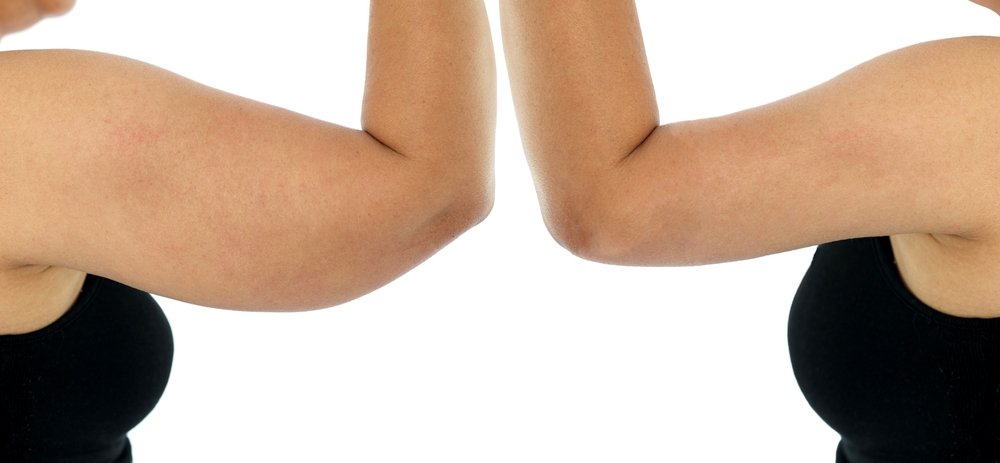
Am I a good candidate for a brachioplasty?
The ideal candidate for brachioplasty (arm lift) is someone who is in good overall health, has realistic expectations, and is bothered by excess skin or fat in the upper arms. This procedure is particularly popular among individuals who have experienced significant weight loss or have naturally loose skin in the arm area.
Here is a detailed breakdown of the characteristics of an ideal candidate:
Characteristics of an Ideal Candidate
Excess Skin or Fat in the Upper Arms:
The candidate has sagging, loose skin or excess fat in the upper arms that does not improve with diet or exercise.
This is often seen in individuals who have lost a significant amount of weight (e.g., after bariatric surgery) or due to aging.
Stable Weight:
The candidate has maintained a stable weight for at least 6-12 months. Significant weight fluctuations after surgery can compromise results.
Good Overall Health:
The candidate is in good physical and mental health, with no medical conditions that could impair healing or increase surgical risks (e.g., uncontrolled diabetes, heart disease, or bleeding disorders).
Non-Smoker:
Smoking can interfere with healing and increase the risk of complications. Ideal candidates should be non-smokers or willing to quit smoking for several weeks before and after surgery.
Realistic Expectations:
The candidate understands the potential outcomes, risks, and limitations of the procedure. Brachioplasty can improve arm contour but will leave scars.
Bothered by Arm Appearance:
The candidate is self-conscious about the appearance of their arms and desires a more toned, proportionate look.
Commitment to Recovery:
The candidate is willing to follow pre- and post-operative instructions, including wearing compression garments, attending follow-up appointments, and avoiding strenuous activities during recovery.
Consultation with a Plastic Surgeon
The best way to determine if you are an ideal candidate for brachioplasty is to schedule a consultation with a board-certified plastic surgeon.
During the consultation, Dr. DeConti will:
Evaluate your arm anatomy and skin quality.
Review your medical history and lifestyle.
Discuss your goals and expectations.
Explain the procedure, risks, and recovery process.
The ideal candidate for brachioplasty is someone with excess skin or fat in the upper arms, stable weight, good overall health, and realistic expectations. If you are bothered by the appearance of your arms and meet these criteria, brachioplasty may be a good option for you. Always consult with a qualified plastic surgeon like Dr. DeConti to determine if the procedure is right for you and to ensure the best possible results.
What are common reasons for getting a brachioplasty?
Post-Weight Loss:
Individuals who have lost a significant amount of weight (e.g., through bariatric surgery or lifestyle changes) often have loose, hanging skin on their arms.
Aging:
As skin loses elasticity with age, the upper arms may develop sagging skin.
Genetics:
Some individuals are genetically predisposed to storing excess fat or having loose skin in the upper arms.
Lack of Improvement with Exercise:
Despite regular exercise and a healthy diet, some people cannot achieve the desired arm contour due to excess skin or stubborn fat.
How is a brachioplasty performed?
A brachioplasty near me is a surgical procedure that removes excess skin and fat from the upper arms to create a more toned and contoured appearance.
Here is a step-by-step breakdown of how the surgery is performed:
🩺 Step 1: Anesthesia
- The procedure is performed under general anesthesia (you will be asleep).
- In some cases, local anesthesia with sedation may be an option for only minor skin removal.
✂ Step 2: Incision Placement
Dr. DeConti will mark the incision sites before surgery, which vary based on the amount of excess skin and fat:
1️⃣ Minimal Incision (Mini Brachioplasty)
- For mild skin laxity, a small incision in the armpit is used.
- This technique is best for patients with minimal sagging.
2️⃣ Standard Incision (Full Brachioplasty)
- A longer incision for a surgical arm lift runs along the inner arm from the armpit to the elbow.
- Most common for patients with moderate to severe skin laxity.
3️⃣ Extended Brachioplasty
- If there is significant excess skin, the incision may extend into the side of the chest.
- This is often needed for patients who have lost a large amount of weight.
🧹 Step 3: Fat Removal (If Needed)
- If excess fat is present, the surgeon may perform liposuction before removing excess skin.
- Liposuction helps to smooth contours and improve overall arm shape.
🪡 Step 4: Skin Tightening & Closure
- The excess skin is trimmed, and the remaining skin is pulled tight and sutured.
- The surgeon uses internal sutures (often dissolvable) and may place external stitches if necessary.
- Drains may be inserted to prevent fluid buildup. Dr. DeConti does not use drains for this procedure.
⏳ Step 5: Dressing & Compression
- The arms are wrapped with bandages to reduce swelling.
- A bilateral brachioplasty compression garment is placed to help with healing and minimize fluid retention.
- Most patients go home the same day after being monitored in recovery.
What do I need to do before my brachioplasty?
Preparing for an arm lift brachioplasty involves both medical and practical steps to ensure a smooth surgery and recovery.
Here is what you should do before your procedure:
1. Medical Preparation
- Consultation & Pre-Op Clearance
- Ensure you’ve had a detailed consultation with your surgeon.
- Get any necessary blood work, EKG, or other pre-op tests if required.
- Medications & Supplements
- Stop blood-thinning medications like aspirin, NSAIDs (ibuprofen, naproxen), and certain supplements (vitamin E, fish oil, etc.) at least 2 weeks before surgery (unless otherwise directed).
- If you take prescribed medications, confirm with your surgeon which ones to continue.
- Quit Smoking & Alcohol
- Nicotine can impair healing and increase complication risks—quit at least 4-6 weeks before surgery.
- Avoid alcohol for at least a week before surgery as it can thin the blood.
2. Lifestyle & Diet Adjustments
- Stay Hydrated & Eat Well
- A protein-rich diet helps with healing. Avoid excessive salt, processed foods, and sugar before surgery.
- Maintain a Healthy Weight
- Significant weight fluctuations can affect results, so aim to be at your goal weight before surgery.
3. Practical Preparation
- Arrange for Help
- You won’t be able to drive yourself home—arrange for transportation and someone to stay with you for at least 24-48 hours.
- Prepare Your Recovery Space
- Set up a comfortable recovery area with:
- Extra pillows for arm elevation
- Loose, button-up or zip-up clothing
- Easy-to-access essentials (water, snacks, medications, phone charger)
- Ice packs to help with swelling
- Set up a comfortable recovery area with:
- Stock Up on Post-Op Supplies
- Compression garments (as advised by your surgeon)
- Scar creams or silicone strips (once incisions heal)
- Gauze, bandages, and mild soap for wound care
- Over-the-counter pain relievers (as recommended)
4. Mental & Emotional Preparation
- Understand the Recovery Timeline
- You’ll have limited arm movement for a few weeks. Plan for at least 2-3 weeks off work if your job is physical.
- Ask Questions
- Clarify post-op care, restrictions, and follow-up appointments.
- Plan for Assistance with Daily Activities
- Since you won’t be able to lift your arms fully, tasks like washing your hair, cooking, or getting dressed may require help for the first few days.
What should I expect on the day of my brachioplasty surgery?
On the day of your brachioplasty arm lift, here is what you can expect:
1. Before Surgery (Pre-Op)
Arrival at the Surgical Center/Hospital
- You’ll check in and complete any last-minute paperwork.
- A nurse will take your vital signs (blood pressure, heart rate, etc.).
- Your arms may be marked by the surgeon to outline incision placement.
- You’ll change into a surgical gown.
Anesthesia & IV Line
- Most arm lift operation are performed under general anesthesia (you’ll be asleep).
- An IV will be inserted for fluids and medications.
- If you have concerns about nausea from anesthesia, ask for anti-nausea medication before surgery.
Final Pre-Surgery Checks
- You’ll meet with your surgeon and anesthesiologist for any last-minute questions.
- The surgical team will ensure everything is set before taking you to the operating room.
2. During Surgery
- Procedure Time: Typically 2-3 hours, depending on complexity.
- Incisions:
- Incisions are usually placed along the inner or back of the arm from the armpit to the elbow.
- Excess skin and fat are removed, and the remaining skin is tightened.
- Liposuction (if needed): If there is excess fat, your surgeon may use liposuction for contouring.
- Closing Incisions: Your surgeon will close the incisions with sutures and may place drains (depending on the extent of the surgery).
- Compression Garment: A compression sleeve or bandage is placed to reduce swelling and support healing.
3. After Surgery (Recovery Room)
- Waking Up from Anesthesia
- You may feel groggy, tired, or slightly nauseous.
- Your arms may feel tight, swollen, and sore.
- Pain Management
- You’ll be given pain medication (oral or through an IV).
- Some numbness or tingling in your arms is normal.
- Monitoring
- Nurses will monitor your vital signs and incision sites.
- If you had drains placed, the staff will check them and explain how to care for them.
- Discharge (Same-Day Surgery)
- Most brachioplasties are outpatient procedures, so you’ll go home a few hours after surgery once cleared.
- Someone must drive you home and stay with you for at least 24 hours.
4. Immediate Post-Op Expectations
- Limited Arm Mobility: Your arms will feel tight and sore, so avoid lifting or stretching.
- Swelling & Bruising: This is normal and peaks within 2-3 days.
- Drain Care (if applicable): If you have drains, you’ll need to empty and measure the fluid daily.
- Compression Garment: You’ll need to wear it 24/7 for several weeks to reduce swelling and support healing.
- Rest & Hydration: Get plenty of rest and drink fluids, but keep your arms elevated when possible.
What can I expect after my brachioplasty?
During an arm brachioplasty recovery time, you’ll experience a gradual healing process with swelling, discomfort, and limited arm movement.
Here is brachioplasty recovery day by day expectations:
1. First 24-48 Hours (Immediate Recovery)
Pain & Discomfort:
- You’ll feel tightness, soreness, and swelling in your arms.
- Prescription pain medications or over-the-counter pain relievers (as advised) will help.
Swelling & Bruising:
- Swelling will be most noticeable in the first week and gradually subside over several weeks.
- Bruising is normal, especially near the incision areas.
Limited Mobility:
- Raising your arms too high or stretching will be uncomfortable.
- Avoid lifting anything heavy and keep movements gentle.
Compression Garment:
- You must wear a compression sleeve to reduce swelling and support healing.
- It’s usually required 24/7 for the first few weeks (except when showering).
Drain Care (If Applicable):
- If drains were placed, you’ll need to empty and measure the fluid regularly.
- Drains are usually removed within 5-7 days at a follow-up appointment.
2. First Week (Early Recovery)
Sutures & Incision Care:
- Stitches may be dissolvable or require removal at a 1-2 week follow-up.
- Keep incisions clean and dry; follow your surgeon’s instructions for wound care.
Avoid Strenuous Activity:
- No lifting, pushing, or pulling with your arms.
- Short walks are encouraged to promote circulation and prevent blood clots.
Pain Management:
- Pain should start decreasing, but discomfort with movement is expected.
- Swelling is still significant but will slowly improve.
Showering:
- You may be allowed to shower after a few days, but avoid soaking the incisions.
- If drains are present, be careful when washing around them.
3. Weeks 2-4 (Healing Phase)
- Swelling & Bruising Improve:
- By week 2-3, swelling will begin to decrease, but your arms may still feel stiff.
- Increased Arm Mobility:
- You can slowly resume light daily activities but should still avoid lifting heavy objects.
- Compression Garment Use:
- You’ll likely need to wear it most of the day for the first 4-6 weeks.
- Scar Healing Begins:
- Incisions will still look red or raised but will start to flatten and lighten over time.
- Your surgeon may recommend scar treatments (silicone strips, gels, or massage) to help improve healing.
4. Weeks 5-8 (Returning to Normal)
- Less Swelling & More Comfort:
- Most swelling should significantly decrease, but mild swelling may persist for months.
- Resume Light Exercise:
- By week 6, you may be cleared for low-impact workouts (like walking or cycling).
- Heavy lifting and upper-body workouts should still be avoided unless approved.
- Scars Begin Fading:
- Scars will continue to heal and fade, but they may remain noticeable for several months.
- Compression Garment Use May Decrease:
- You may only need to wear it at night by week 6-8, depending on your surgeon’s advice.
5. 3-6 Months & Beyond (Long-Term Recovery)
- Final Results Take Time:
- While much of the swelling is gone by 3 months, full results may take 6-12 months.
- Scars Will Continue to Fade:
- Scars may remain pink or red for several months before turning lighter and less noticeable.
- Continue sun protection and scar treatments to optimize fading.
- Return to Normal Activities:
- By 3 months, you should be able to resume most activities, including strength training if cleared by your surgeon.
- Tighter, More Defined Arms:
- Your arms will feel firmer and more contoured, with excess skin removed.
- If you maintain a stable weight and exercise, results should be long-lasting.
Key Tips for a Smooth Recovery
✅ Follow post-op instructions carefully – especially regarding incision care, compression wear, and activity restrictions.
✅ Be patient – swelling and scars take time to improve.
✅ Avoid sun exposure on scars – use SPF 30+ sunscreen or cover them to prevent darkening.
✅ Stay hydrated & eat a protein-rich diet – this helps speed up healing.
✅ Communicate with your surgeon – report any signs of infection, excessive swelling, or severe pain.
How much is brachioplasty?
The cost of a brachioplasty (arm lift surgery) can vary widely depending on several factors, including the surgeon’s experience, geographic location, the complexity of the procedure, and the facility where the surgery is performed.
Here are general guidelines to help you understand the potential brachioplasty cost involved:
Average Cost:
United States: The average cost of a brachioplasty or arm lift cost typically ranges from $10,000 to $15,000. This range can be higher or lower depending on the factors mentioned above.
Cost Breakdown:
Surgeon’s Fee: This is the fee charged by the plastic surgeon for performing the procedure. It can vary based on the surgeon’s expertise and reputation.
Anesthesia Fee: The cost of anesthesia, which can vary depending on whether it is administered by an anesthesiologist or a nurse anesthetist.
Facility Fee: The cost of using the surgical facility, which can differ between hospitals and outpatient surgery centers.
Post-Surgery Garments: Compression garments and other post-surgery supplies may add to the overall cost.
Follow-Up Care: Additional costs may include follow-up visits and any necessary treatments for complications.
FAQ
How long after brachioplasty can i drive?
The ability to drive after a brachioplasty (arm lift) depends on several factors, including your recovery progress, pain levels, and whether you are taking prescription pain medications.
Typical Timeline for Driving After Brachioplasty:
1-2 Weeks Post-Surgery:
Most patients are advised to avoid driving for at least 1-2 weeks after the procedure.
Driving requires the use of your arms for steering and maneuvering, which can strain the healing incisions and muscles.
If you are still taking prescription pain medications (which can impair your reflexes and judgment), you should not drive.
When You Can Resume Driving:
You should only resume driving when:
You are no longer taking narcotic pain medications.
You have full control of your arms and can perform necessary movements without pain or discomfort.
You feel confident and alert enough to operate a vehicle safely.
Your surgeon will assess your progress during follow-up appointments and give you the green light to drive.
Individual Recovery Varies:
Recovery times vary depending on the extent of the surgery, your overall health, and how well you follow post-operative care instructions.
Some patients may feel ready to drive sooner, while others may need more time.
Tips for Resuming Driving:
Start Short: When you resume driving, start with short trips to ensure you are comfortable and not straining your arms.
Avoid Long Drives: Avoid long drives or heavy traffic until you are fully healed, as prolonged arm use can cause swelling or discomfort.
Listen to Your Body: If you experience pain, fatigue, or limited mobility while driving, stop and wait a few more days before trying again.
Is brachioplasty dangerous?
Potential Risks and Complications of Brachioplasty
While brachioplasty is considered safe for most healthy individuals, the following risks are associated with the procedure:
Infection:
Although rare, infections can occur after surgery. Proper wound care and antibiotics (if prescribed) can help reduce this risk.
Scarring:
Brachioplasty involves incisions, which will result in scars. These scars are typically located on the underside of the arm and may fade over time but will not disappear completely.
Bleeding or Hematoma:
Excessive bleeding during or after surgery can lead to a hematoma (a collection of blood under the skin), which may require additional treatment.
Poor Wound Healing:
Some patients may experience delayed wound healing, especially if they smoke, have poor circulation, or have underlying health conditions.
Nerve Damage:
Temporary or permanent changes in skin sensation (numbness or tingling) can occur due to nerve damage during the procedure.
Asymmetry:
There is a risk of uneven results, where one arm may look different from the other in terms of shape or contour.
Swelling and Bruising:
Swelling and bruising are common after surgery and typically resolve within a few weeks, but prolonged swelling can occur in some cases.
Seroma:
A seroma is a buildup of fluid under the skin, which may require drainage.
Blood Clots:
Although rare, blood clots (deep vein thrombosis) can form in the legs or arms, which can be life-threatening if they travel to the lungs (pulmonary embolism).
Does insurance cover brachioplasty?
Insurance does not cover brachioplasty (arm lift) because it is considered a cosmetic procedure.
Does brachioplasty leave a scar?
Yes, brachioplasty does leave arm lift scars. Scarring is an inevitable part of the procedure because it involves removing excess skin and fat from the upper arms. However, a skilled plastic surgeon can minimize the appearance of scars and place them in less noticeable areas.
Here is what you need to know about scarring after brachioplasty:
Location and Appearance of Scars
Scar Placement:
The brachioplasty scar typically run along the underside of the arm, from the armpit (axilla) to the elbow. The exact length and pattern of the scar depend on the amount of excess skin being removed and the surgical technique used.
In some cases, brachioplasty scars may extend into the armpit or along the inner arm.
Scar Appearance:
Initially, the scars will be red, raised, and more noticeable. Over time, they will fade and flatten, becoming less visible.
The final appearance of the scars varies from person to person, depending on factors like skin type, genetics, and how well you follow post-operative care instructions.
Factors That Affect Scarring
Surgical Technique:
A skilled surgeon will use precise techniques to minimize scarring and place incisions in discreet locations.
Skin Type:
Some individuals are more prone to visible scarring (e.g., those with darker skin tones or a history of keloid scars).
Post-Operative Care:
Proper wound care and scar management can significantly improve the appearance of scars.
Healing Process:
Everyone heals differently, and factors like smoking, poor nutrition, or underlying health conditions can affect scar formation.
How to Minimize Scarring
While scars cannot be completely avoided, there are steps you can take to improve their appearance:
Follow Your Surgeon’s Instructions:
Keep the incision sites clean and dry to prevent infection, which can worsen scarring.
Use Scar Treatment Products:
After the incisions have healed, your surgeon may recommend silicone gel sheets, scar creams, or ointments to help reduce scarring.
Avoid Sun Exposure:
Protect your scars from the sun, as UV rays can darken and make them more noticeable. Use sunscreen or cover the area with clothing.
Massage the Scars:
Gently massaging the scars once they have healed can help soften and flatten them.
Consider Laser Treatments:
If scars remain noticeable, laser treatments or other cosmetic procedures can help improve their appearance.
When will I see the results of my brachioplasty?
You’ll notice some immediate improvement after surgery, but final results take time due to swelling and healing.
Here is what to expect over the coming months:
📅 Immediate Post-Surgery (First 1-2 Weeks)
✔ Noticeable Change in Arm Shape: You’ll see a difference right away since the excess skin is removed, but swelling will mask your final results.
✔ Swelling & Bruising: Arms may appear puffy, swollen, or even lumpy at first. This is normal.
✔ Compression Garment Required: Helps control swelling and supports skin retraction.
📅 1-3 Months Post-Surgery
✔ Significant Swelling Reduction: By 6-8 weeks, much of the swelling will be gone.
✔ More Defined Arm Contour: Your arms will look smoother and firmer, but mild swelling may still be present.
✔ Scars Are Still Red/Pink: Incisions will be visible and raised, but will flatten and lighten over time.
📅 3-6 Months Post-Surgery
✔ 80-90% of Swelling Gone: Arms will look much more toned and refined.
✔ Scars Start to Fade: They may still be noticeable but will begin turning lighter.
✔ Return to Full Activities: Most patients can resume all exercise, including weightlifting.
📅 6-12 Months Post-Surgery (Final Results)
✔ Full Results Visible: By 6-12 months, swelling is completely gone, and your arms will have their final shape.
✔ Scars Continue to Improve: With proper care (silicone strips, massage, sunscreen), they will fade significantly but won’t disappear completely.
✔ Long-Lasting Results: If you maintain a stable weight and stay active, results can last a lifetime.
⏳ Timeline Summary:
| Timeframe | What to Expect |
|---|---|
| Immediately After Surgery | Arms look tighter but swollen/bruised. |
| 2-6 Weeks | Swelling decreases, but arms may still feel tight or numb. |
| 3-6 Months | Most swelling is gone, scars begin fading. |
| 6-12 Months | Final results! Arms are fully healed, and scars are less noticeable. |
✅ Be patient! Results improve gradually, and taking care of your arms during recovery will optimize healing. Let me know if you need any post-op care tips! 💪😊
How long will the results from my brachioplasty last?
Brachioplasty results are generally long-lasting, but several factors can affect how well they hold up over time.
✅ Permanent Improvements
✔ Excess Skin is Permanently Removed – The skin that is excised won’t come back, so your arms will stay tighter and more contoured than before.
✔ Fat Removed via Liposuction Won’t Return – If your procedure included liposuction, those fat cells are gone permanently.
⏳ Factors That Can Affect Long-Term Results
1️⃣ Aging
- Skin naturally loses elasticity over time, which may lead to some sagging as you age.
- While your arms will always look better than before surgery, minor changes over the years are normal.
2️⃣ Weight Fluctuations
- Significant weight gain can stretch the remaining skin, affecting your results.
- Rapid weight loss after surgery may lead to more sagging.
- Maintain a stable weight to keep your results looking their best.
3️⃣ Lifestyle & Fitness
- Regular exercise, especially strength training, helps maintain arm tone and prevent fat accumulation.
- A healthy diet will prevent excess weight gain that could alter your arm shape.
4️⃣ Skin Care & Sun Protection
- Sun exposure can weaken skin elasticity, making it prone to sagging.
- Use sunscreen (SPF 30+) and moisturize regularly to keep skin healthy.
🔄 Will I Ever Need a Touch-Up?
- Some patients opt for a revision surgery years later if they experience loose skin again due to aging or weight changes.
- If mild sagging occurs over time, non-surgical treatments (such as radiofrequency skin tightening) may help maintain results.
💡 How to Make Your Arm Lift Results Last Longer
✅ Keep a stable weight (avoid large fluctuations).
✅ Stay active & do arm exercises (strength training helps maintain tone).
✅ Protect your skin from sun damage (use SPF, avoid tanning).
✅ Follow a healthy diet (to prevent fat gain in the arms).
✅ Stay hydrated & moisturize (to keep skin firm and healthy).
Why should I choose Dr. Robert DeConti for my brachioplasty?
Choosing the right surgeon for your brachioplasty is crucial to achieving the best results. Here are several reasons why Dr. Robert DeConti in Richmond, VA, stands out:
1. Board-Certified Expertise
Dr. DeConti is certified by the American Board of Plastic Surgery, ensuring he has met rigorous standards in both training and ethics. He consistently scores in the top 99th percentile in his recertification exams, reflecting his commitment to excellence.
2. Extensive Training and Experience
With a comprehensive plastic surgery residency from the University of Virginia and additional training in craniofacial, hand, and cosmetic surgery, Dr. DeConti brings a wealth of knowledge to his practice.
3. Exceptional Patient Satisfaction
Patients consistently praise Dr. DeConti for his surgical skills and compassionate care. One patient shared, “I have never met or been cared for by a finer physician.”
Another noted, “Amazing doctor! Caring, compassionate and skillful.”
4. Award-Winning Practice
Dr. DeConti has received numerous accolades, including being named among the “10 Best Plastic Surgeons” and “America’s Best Physicians.”
5. Comprehensive Care and Communication
Known for his excellent communication skills, Dr. DeConti takes the time to listen to patient concerns, thoroughly explaining procedures, risks, and expected outcomes.
Choosing Dr. DeConti for your best brachioplasty surgeon near me means entrusting your care to a highly skilled, compassionate, and patient-focused surgeon dedicated to achieving exceptional results.