What is an Ozempic makeover?
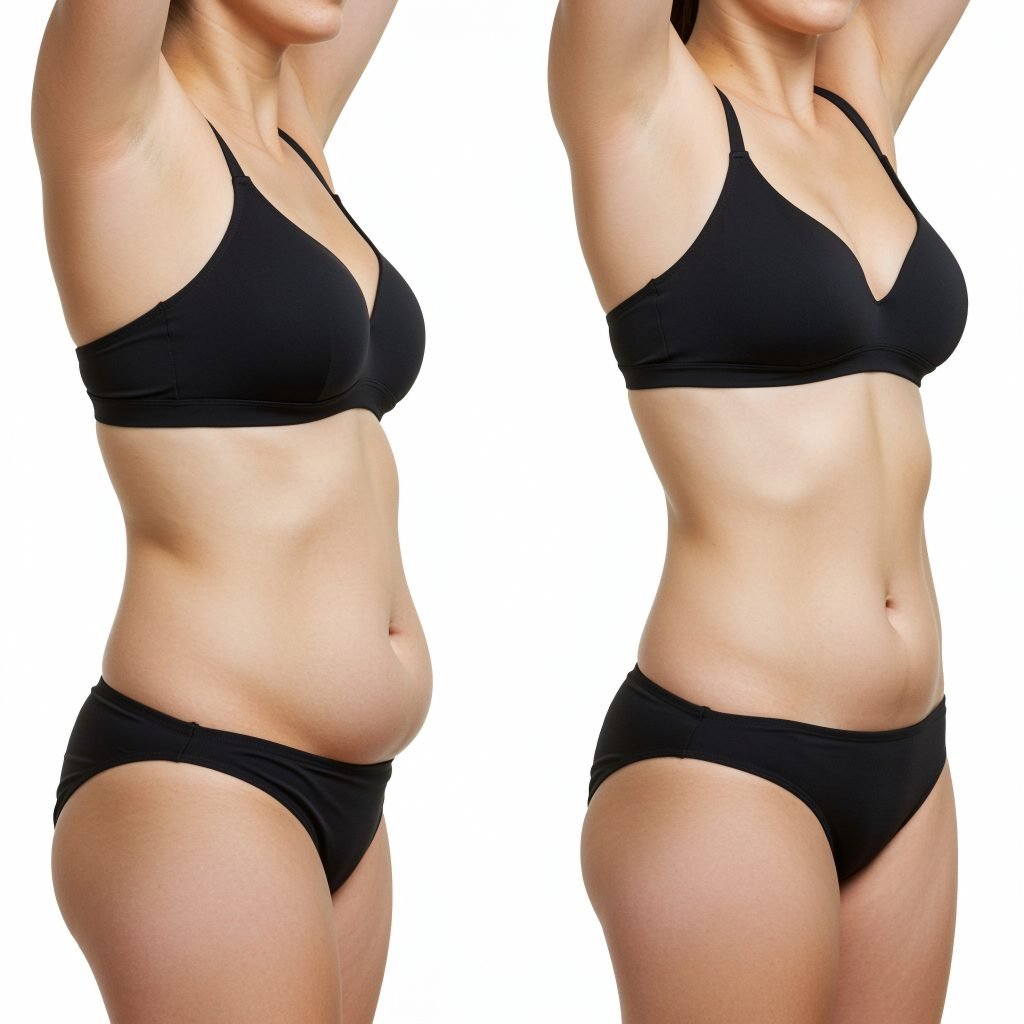
An Ozempic makeover or The New Mommy Makeover, refers to a combination of cosmetic procedures aimed at addressing physical changes, particularly in the face and body, that some people experience after rapid weight loss from using Ozempic or other GLP-1 medications like Wegovy.
These medications, primarily used for type 2 diabetes but often prescribed off-label for weight loss, can cause side effects like sagging skin, loss of facial volume, or a gaunt appearance—sometimes called “Ozempic face” or “Ozempic body.”
The makeover typically involves treatments to restore volume and tighten skin, such as:
- Non-surgical options: Dermal fillers, fat transfers, or radiofrequency treatments to improve facial fullness and skin elasticity.
- Surgical options: Facelifts, neck lifts, tummy tucks, or body lifts to remove excess skin and reshape areas like the abdomen, buttocks, or thighs.
The term has gained traction as more people seek to refine their appearance after significant weight loss, with procedures tailored to individual needs, whether someone lost a little or a lot of weight. It’s not exclusive to Ozempic users—anyone with rapid weight loss from other methods might pursue similar treatments
What is Ozempic?
Ozempic weight loss is a brand name for semaglutide, a medication primarily used to treat type 2 diabetes. It belongs to a class of drugs called GLP-1 receptor agonists, which mimic a hormone that regulates blood sugar and appetite. Ozempic for weight loss helps lower blood sugar levels by increasing insulin production and slowing digestion. It’s administered as a weekly injection.
It’s also widely known for its off-label use for weight loss, as it can reduce appetite and lead to significant weight reduction. However, it’s not approved specifically for weight loss (unlike Wegovy, another semaglutide brand). Ozempic side effects include nausea, diarrhea, and, in some cases, changes in appearance like facial volume loss (“Ozempic face”). It requires a prescription and medical supervision.
What procedures can be combined in an Ozempic makeover?
An “Ozempic makeover” involves cosmetic procedures to address physical changes after rapid weight loss from Ozempic or similar GLP-1 medications.
The specific procedures depend on individual needs but commonly include:
- Non-surgical treatments:
- Dermal fillers: To restore facial volume, especially in cheeks or under eyes, countering the gaunt “Ozempic face.”
- Fat transfers: Injecting a patient’s own fat to add fullness to the face or other areas.
- Radiofrequency or ultrasound treatments (e.g., Ultherapy): To tighten sagging skin on the face, neck, or body.
- Laser treatments: To improve skin texture and elasticity.
- Botox or similar injectables: To smooth wrinkles that may appear more prominent after weight loss.
- Surgical treatments:
- Facelift or neck lift: To remove excess facial or neck skin and restore a youthful contour.
- Tummy tuck (abdominoplasty): To tighten abdominal skin and muscles.
- Body lift: To address sagging skin on the abdomen, thighs, or buttocks.
- Arm lift (brachioplasty) or thigh lift: To remove loose skin in those areas.
- Liposuction: To refine contours where stubborn fat remains despite weight loss.
The combination varies based on whether the patient is addressing facial changes, body contouring, or both, and can range from minimally invasive to comprehensive surgical plans. A consultation with Dr. DeConti a board certified plastic surgeon can help tailor a personal approach to address your needs.
What is Ozempic face?
“Ozempic face” is a term used to describe a gaunt, hollowed, or aged facial appearance that some people develop after rapid weight loss from using Ozempic (semaglutide) or similar GLP-1 medications. The condition results from a loss of facial fat and reduced skin elasticity, which can lead to:
- Sunken cheeks or under-eye areas
- Sagging or loose skin
- More pronounced wrinkles or jowls
It’s not a medical diagnosis but a cosmetic concern caused by significant weight loss, particularly when it happens quickly, reducing subcutaneous fat that normally supports facial structure. The effect is more noticeable in older adults or those with less skin elasticity.
It can be addressed through procedures like dermal fillers, fat transfers, or surgical lifts, often part of an “Ozempic makeover.” Not everyone on Ozempic experiences this, and similar effects can occur with rapid weight loss from other causes.
Am I a good candidate for an Oempic makeover?
A good candidate for an “Ozempic makeover”—cosmetic procedures to address physical changes after rapid weight loss from Ozempic or similar GLP-1 medications—typically includes:
- Individuals with noticeable post-weight loss changes: People experiencing “Ozempic face” (gauntness, sunken cheeks, or wrinkles due to facial fat loss) or “Ozempic body” (sagging skin on the abdomen, thighs, arms, or buttocks) after significant weight loss, whether from Ozempic, other medications, or lifestyle changes.
- Stable weight: Those who have reached a stable weight and are not planning further significant weight loss, as this ensures better, longer-lasting results from procedures like skin tightening or body contouring.
- Healthy individuals: Candidates should be in good overall health, with no uncontrolled medical conditions (e.g., diabetes or heart disease) that could complicate surgical or non-surgical treatments. Non-smokers or those willing to quit are preferred, as smoking impairs healing.
- Realistic expectations: People who understand the procedures’ outcomes and limitations, seeking to refine their appearance rather than achieve perfection.
- Age and skin elasticity: While there’s no strict age limit, younger patients with better skin elasticity may see more natural results from non-surgical treatments. Older adults or those with significant skin laxity might need surgical options like facelifts or body lifts.
- Specific cosmetic concerns: Those bothered by loose skin, volume loss, or uneven contours who want targeted fixes, such as fillers for facial hollows or tummy tucks for abdominal skin.
Not ideal candidates:
- People still actively losing weight, as ongoing changes could affect results.
- Those with unrealistic goals (e.g., expecting to look decades younger).
- Individuals with medical conditions that increase risks of surgery or recovery complications.
- Those unwilling to commit to post-procedure care or lifestyle changes to maintain results.
What are the benefits of an Ozempic mommy makeover?
The benefits of an “Ozempic makeover”—cosmetic procedures to address physical changes after rapid weight loss from Ozempic or similar GLP-1 medications—include:
- Restored facial volume: Procedures like dermal fillers or fat transfers counteract “Ozempic face,” reducing gauntness, sunken cheeks, or under-eye hollows for a fuller, more youthful look.
- Tighter, smoother skin: Non-surgical treatments (e.g., radiofrequency, ultrasound) or surgical options (e.g., facelifts, tummy tucks) address sagging skin on the face, neck, or body, improving elasticity and contours.
- Enhanced body shape: Body contouring (e.g., body lifts, arm lifts, liposuction) removes excess skin and refines areas like the abdomen, thighs, or arms, creating a more toned appearance.
- Improved confidence: Correcting cosmetic concerns can boost self-esteem, helping individuals feel more comfortable and satisfied with their post-weight loss appearance.
- Customizable approach: Treatments can be tailored to specific needs, from minimally invasive options for subtle changes to comprehensive surgical plans for dramatic results.
- Long-lasting results: When paired with a stable weight and healthy lifestyle, outcomes (especially from surgical procedures) can be durable, enhancing appearance for years.
- Complementary to weight loss goals: The makeover refines the physical results of weight loss, aligning appearance with health achievements.
What are the risks of an Ozepmpic makeover?
The risks of an “Ozempic makeover”—cosmetic procedures to address changes after rapid weight loss from Ozempic or similar GLP-1 medications—vary depending on whether the treatments are non-surgical or surgical.
Here are the potential risks:
Non-Surgical Procedures (e.g., dermal fillers, radiofrequency, fat transfers, Botox)
- Swelling or bruising: Common at injection or treatment sites, usually temporary but can last days to weeks.
- Infection: Rare but possible if proper sterilization isn’t followed.
- Allergic reactions: Some may react to fillers or injectables, causing redness, itching, or swelling.
- Asymmetry or overcorrection: Fillers or Botox may lead to uneven results, requiring touch-ups or reversal.
- Lumps or nodules: Fillers or fat transfers can sometimes form small bumps under the skin.
- Vascular complications: Rare cases of fillers blocking blood vessels can cause tissue damage or, in extreme cases, vision issues.
- Temporary discomfort: Mild pain, tightness, or sensitivity during or after treatments like radiofrequency.
- Unsatisfactory results: Effects may not meet expectations, and non-surgical treatments often need maintenance (e.g., fillers last 6-18 months).
Surgical Procedures (e.g., facelifts, tummy tucks, body lifts, liposuction)
- Anesthesia risks: Reactions to general or local anesthesia, including breathing issues or heart complications, though rare.
- Infection: Post-surgical infections can delay healing and may require antibiotics or further intervention.
- Scarring: Surgical procedures leave scars, which may fade but remain visible, especially in body lifts or tummy tucks.
- Bleeding or hematoma: Blood pooling under the skin may require drainage or additional surgery.
- Seroma: Fluid buildup under the skin, potentially needing aspiration.
- Poor wound healing: Slow or incomplete healing, especially in smokers or those with certain medical conditions, can lead to wider scars or tissue loss.
- Nerve damage: Temporary or, rarely, permanent numbness, tingling, or altered sensation in treated areas.
- Asymmetry or contour irregularities: Uneven results may need revision surgery.
- Deep vein thrombosis (DVT) or pulmonary embolism: Blood clots are a rare but serious risk, particularly with longer surgeries.
- Skin laxity recurrence: If weight fluctuates post-procedure, skin may sag again, reducing results’ longevity.
- Prolonged recovery: Swelling, pain, or restricted activity can last weeks to months, impacting daily life.
General Risks for Both
- Unsatisfactory aesthetic outcome: Results may not align with expectations, requiring additional procedures or adjustments.
- Financial cost: Procedures can be expensive, and complications may increase costs if revisions are needed.
- Psychological impact: Dissatisfaction or unrealistic expectations can lead to emotional distress.
- Weight instability effects: Gaining or losing weight after procedures can compromise results, especially for body contouring.
- Medical contraindications: Conditions like uncontrolled diabetes, heart disease, or clotting disorders increase risks and may make some procedures unsafe.
Mitigating Risks:
- Choose a board-certified plastic surgeon like Dr. DeConti with experience in post-weight loss procedures.
- Disclose full medical history (including Ozempic use) to assess suitability.
- Follow pre- and post-procedure instructions, like quitting smoking or avoiding certain medications.
- Maintain stable weight to optimize and sustain results.
How much does an Ozempic makeover cost?
The cost of an Ozempic makeover near me—cosmetic procedures to address physical changes after rapid weight loss from Ozempic or similar GLP-1 medications—varies widely based on the procedures, provider expertise, geographic location, and facility fees. Since the makeover can include non-surgical and/or surgical treatments tailored to individual needs (e.g., “Ozempic face” or sagging body skin), there’s no fixed price.
Below are approximate cost ranges for common procedures, based on national averages in the U.S. :
Non-Surgical Procedures
- Dermal fillers: $500–$2,000 per session (multiple sessions may be needed; performed by plastic surgeons Ozempic face; lasts 6-18 months).
- Fat transfers (facial or body): $3,000–$6,000 per procedure.
- Radiofrequency/ultrasound skin tightening (e.g., Ultherapy, Morpheus8): $1,000–$4,000 per session (may require multiple treatments).
- Botox: $300–$800 per session (for wrinkle reduction, temporary).
- Laser treatments: $500–$3,000 per session, depending on the area and intensity.
Surgical Procedures
- Facelift: $15,000–$30,000 (including surgeon’s fee, anesthesia, and facility costs).
- Neck lift: $5,000–$10,000.
- Tummy tuck (abdominoplasty): $10,000–$12,000.
- Body lift (lower or full): $15,000–$25,000, depending on areas treated (abdomen, thighs, buttocks).
- Arm lift (brachioplasty): $10,000-$12,000.
- Thigh lift: $10,000–$15,000.
- Liposuction: $6,000–$8,000 per area treated.
- Breast lift or augmentation: $8,000–$12,000.
Total Cost Considerations
- Combination procedures: Many patients combine treatments (e.g., fillers + facelift or tummy tuck + body lift), pushing costs from $10,000 to $50,000+ for comprehensive makeovers. For example, a full facial rejuvenation (facelift, neck lift, fat grafting) can exceed $30,000, while body contouring (tummy tuck, body lift, liposuction) may range from $15,000–$40,000.
- Additional fees: Include anesthesia ($500–$5,000) and facility fees ($1,000–$5,000).
- Geographic variation: Costs are higher in cities like New York or Los Angeles (20-50% more) compared to smaller markets.
- Surgeon expertise: Board-certified plastic surgeons with extensive experience may charge premium rates.
- Maintenance: Non-surgical treatments like fillers or radiofrequency require repeat sessions, adding to long-term costs.
Other Factors
- Insurance: Most procedures are considered elective and not covered by insurance.
- Financing: Dr. DeConti offers CareCredit which can help with obtaining the results you desire.
- Weight stability: Costs may increase if additional procedures are needed due to ongoing weight changes.
Example Scenarios
- Mild makeover (e.g., fillers + radiofrequency for face): $2,000–$6,000.
- Moderate makeover (e.g., fat transfer + tummy tuck): $10,000–$20,000.
Extensive makeover (e.g., facelift, body lift, liposuction): $30,000–$100,000, especially for high-end providers or multiple surgeries.
FAQ
How long until I see results after my Ozempic make over?
Results from a mommy makeover are visible immediately after surgery, but swelling and bruising obscure the final outcome. You’ll start seeing noticeable improvements by 4-6 weeks as swelling subsides, with more refined results by 3 months. Full results, including scar fading and tissue settling, typically take 6-12 months, depending on procedures and healing. For example, breast implants may settle over months, and tummy tuck scars fade gradually.
Will I have scars after my Ozempic makeover?
A mommy makeover typically involves surgical procedures like a tummy tuck, breast surgery (lift, augmentation, or reduction), or liposuction, and scarring is common but varies by procedure:
- Tummy tuck: A horizontal scar across the lower abdomen, often hip-to-hip, and sometimes around the navel. These fade over 6-18 months but remain visible to some degree.
- Breast surgery: Scars depend on the technique—around the areola, vertically down the breast, or along the breast crease for lifts/augmentations. Reductions may have more extensive scars. They fade significantly within 1-2 years.
- Liposuction: Small, dot-like scars (a few millimeters) at cannula insertion points, usually fading to near-invisibility within 6-12 months.
Dr. DeConti is meticulous in placing scars in less noticeable areas (e.g., below the bikini line). Scar appearance depends on your skin type, healing, and post-op care (e.g., silicone sheets, avoiding sun exposure).
How long will my Ozempic makeover results last?
The results of a mommy makeover (typically including procedures like tummy tuck, breast surgery, or liposuction) can be long-lasting, but their duration depends on several factors:
- Tummy tuck: Results can last many years to a lifetime if you maintain a stable weight and healthy lifestyle. Significant weight gain, pregnancy, or aging can stretch abdominal skin and muscles again.
- Breast surgery (lift, augmentation, or reduction): Breast lifts and reductions last several years, but natural aging, gravity, or pregnancy may cause sagging over time (5-15 years). Implants may need replacement after 10-20 years due to wear or complications.
- Liposuction: Fat removal is permanent in treated areas, but weight gain can cause fat to accumulate elsewhere, altering contours within months to years if lifestyle isn’t maintained.
To maximize longevity, avoid significant weight fluctuations, maintain a healthy diet and exercise, and avoid future pregnancies. Aging will still affect skin elasticity over time.